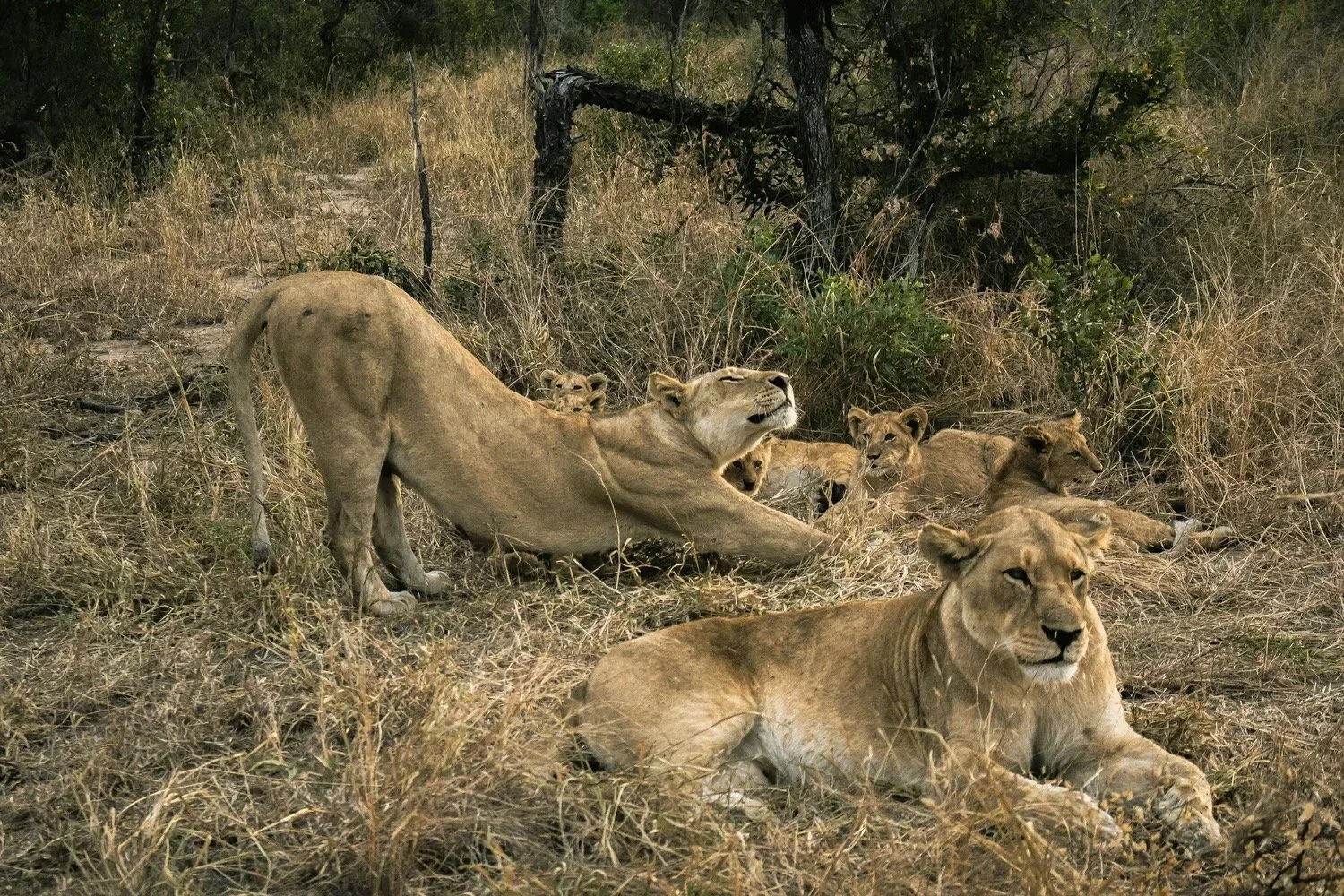
Posts tagged southern africa safari
South Africa Safari Guide: Kruger, Cape Town and the Winelands

In one trip you can have incredible game drives, a few days in Cape Town and long lunches in the Winelands.

Here's what to know as you plan.

Why South Africa

  • World-class game viewing. The Big Five, and some of the best leopard sightings in Africa.
  • Safari and city in one trip. Cape Town and the Winelands are a short flight from the bush.
  • Malaria-free options. Several excellent reserves are malaria-free, which is a big help for families.
  • Easy logistics. Great flight connections, short transfers and lodges for every style.

Where to Go on Safari

  • Greater Kruger and the private reserves: the area around Kruger National Park, including the Sabi Sand, is probably the most reliable place in Africa to see leopards. Private reserves mean off-road driving, night drives and fewer vehicles at sightings.
  • Kruger National Park: one of Africa's great parks, with a huge variety of wildlife and beautiful scenery.
  • Madikwe: a malaria-free reserve in the north, and one of my favorite suggestions for families.
  • The Eastern Cape: malaria-free reserves and Addo Elephant National Park, easy to pair with the Garden Route.
  • KwaZulu-Natal: private reserves like Phinda, where you can combine the bush with the Indian Ocean coast.

Beyond the Safari

Cape Town

Table Mountain, beautiful beaches, great restaurants and the drive down the Cape Peninsula

The Winelands

Stellenbosch and Franschhoek, with wine tastings, long lunches and gorgeous mountain views

The Garden Route and Hermanus

A scenic coastal drive, plus some of the best land-based whale watching in the world in season

The Panorama Route

Waterfalls and the Blyde River Canyon, an easy add-on near Kruger

When to Go

For safari, May to September is the dry season and the best time for game viewing in Kruger. The days are sunny and the nights are chilly.

For Cape Town, October to March is the warm, dry summer. Its winter is rainier.

If you want both at their best, September, October, April and May are lovely times to go. Summer is also the green season in Kruger, with baby animals and wonderful birding.

See my full month-by-month safari guide for every country.

Malaria

Most of South Africa is malaria-free, including Cape Town and the Winelands. Kruger and the Greater Kruger area have a moderate risk, highest from about September to May. Madikwe, Pilanesberg and the Eastern Cape reserves are malaria-free. Talk to your doctor or a travel clinic before you go.

How Long to Go

Plan on 10 to 12 days for a safari and Cape Town. A typical trip is 3 to 4 nights on safari, 3 to 4 nights in Cape Town and a couple of nights in the Winelands.

Safaris start at $1,500 per person, per day, excluding international flights, depending on the time of year and location.

South Africa also pairs beautifully with Victoria Falls, Botswana or a beach in Mozambique or Mauritius.

My Biggest Advice

Do both: the bush and the Cape. South Africa's magic is how easily you can go from a morning game drive to a sunset dinner overlooking the ocean.

keep planning

Ready to start planning your safari?

Plan My Safari
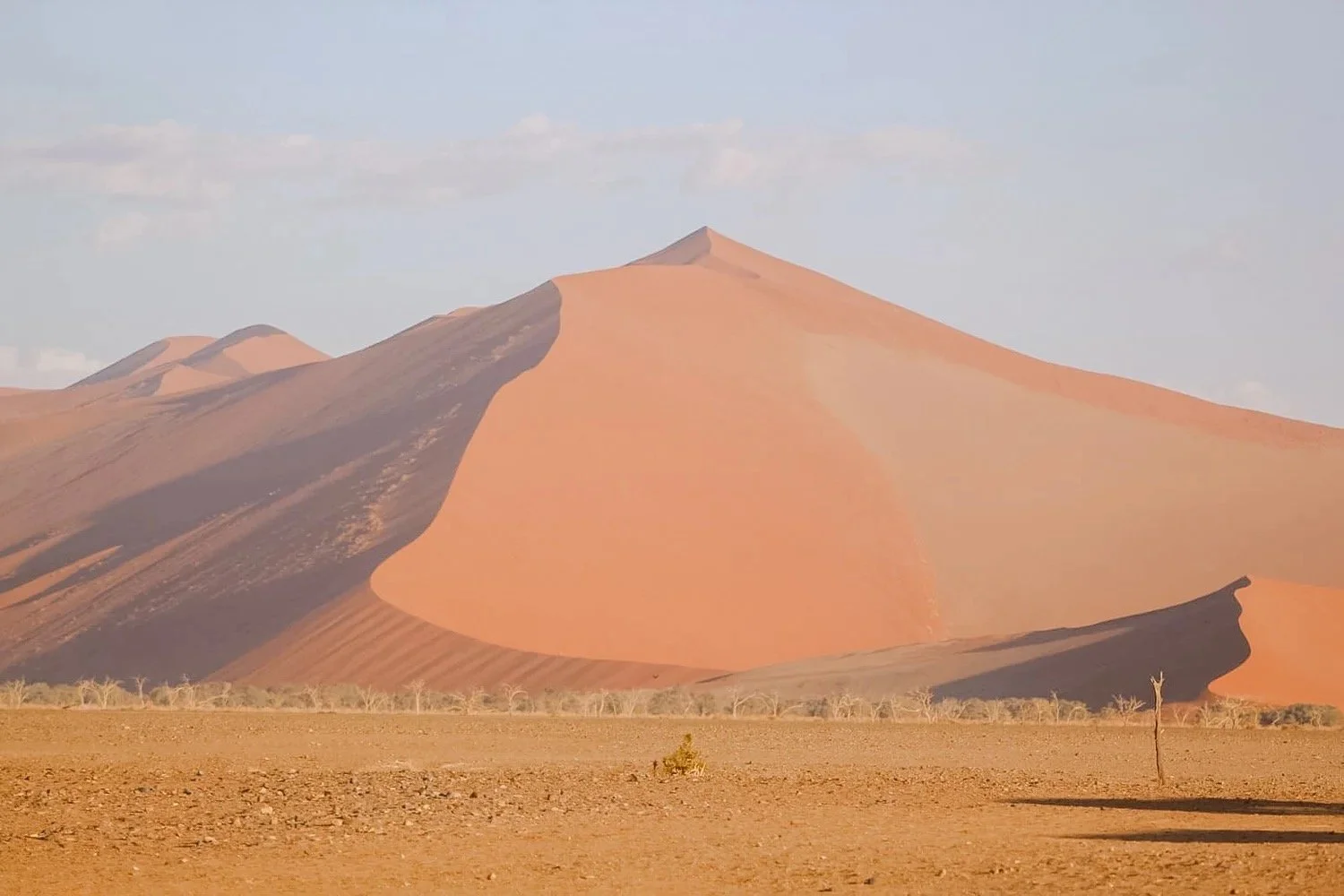
Namibia Safari Guide: Sossusvlei, the Skeleton Coast and Etosha

It's red dunes and white clay pans, a foggy coastline lined with shipwrecks, elephants that live in the desert and waterholes full of wildlife. I spent 11 days there, and it's one of the most memorable trips I've ever taken.

Here's what to know as you plan.

Why Namibia

  • The scenery. Namibia is about the landscapes as much as the animals, and they're unforgettable.
  • Unique wildlife. Desert-adapted elephants and giraffes, seal colonies on the coast, and classic game viewing in Etosha.
  • Adventure. Hot-air balloon rides, quad biking in the dunes, scenic flights and walks with a guide.
  • Some of Africa's most unique lodges. From cabins built to look like shipwrecks to camps tucked into hidden valleys.

Where to Go in Namibia

  • Sossusvlei and the Namib Desert: the red dunes you've seen in pictures, plus Deadvlei, the white clay pan with its ancient camel thorn trees. A sunrise balloon ride here was the highlight of my trip.
  • Swakopmund and the coast: a seaside town where the desert meets the Atlantic, with catamaran trips to see seals, dolphins and pelicans.
  • The Skeleton Coast: wild, remote and beautiful, with dunes running right into the ocean. Flying along it is an experience on its own.
  • Damaraland and the Hoanib: rugged valleys and dry riverbeds, home to desert-adapted elephants, plus ancient rock art at Twyfelfontein.
  • Etosha National Park: Namibia's top park for wildlife, built around a huge salt pan. In the dry season the animals gather at the waterholes, and some lodges have floodlit waterholes you can watch after dark.
  • The Zambezi Region: the green, watery northeast (once called the Caprivi Strip), with rivers, boat trips and an easy link to Botswana and Victoria Falls.

Fly-In or Drive?

Fly-in safari

Small private planes between regions. Namibia is huge, and flying means more time at the lodges and less time on the road. This is how I traveled, and what I recommend for most clients.

Self-drive

Namibia is one of the best self-drive countries in Africa, with good roads and great lodges along the way. It's a wonderful option for adventurous travelers with more time.

When to Go

May to October is the best time for most of Namibia. It's dry and sunny, and in Etosha the animals gather at the waterholes. July to October is the busiest season, and desert nights can drop to about 7°C (45°F), so bring warm layers.

November to April is the hotter, wetter season. The landscape turns green and there are fewer people, but wildlife is harder to spot in Etosha. I traveled in November and loved it.

See my full month-by-month safari guide for every country.

Malaria

Northern Namibia, including Etosha and the Zambezi Region, has a medium malaria risk, highest from November to April. Most of the rest of the country is low risk or malaria-free. Talk to your doctor or a travel clinic before you go.

How Long to Go

Plan on 10 to 12 days. Namibia is big, and that gives you time for the desert, the coast and Etosha without rushing.

Pricing varies by camp and season, and I'll give you real numbers once I know your dates.

Namibia also pairs beautifully with Botswana, Victoria Falls or a few days in Cape Town.

My Biggest Advice

Don't try to see it all in a week. Namibia rewards a slower pace, and the best moments, like sunrise over the dunes or a quiet evening under the stars, happen when you're not racing to the next stop.

keep planning

Ready to start planning your safari?

Plan My Safari
Botswana Safari Guide: The Okavango Delta, Chobe and the Kalahari

It's a country of small camps, few vehicles and huge open spaces, from the waterways of the Okavango Delta to the salt pans of the Kalahari.

Here's what to know as you plan.

Why Botswana

  • Fewer people. Most camps are small and remote, and many sit on private land where only their guests can drive. Outside the Chobe riverfront, it rarely feels busy.
  • More ways to explore. In the private areas you can go off-road to follow animals, head out on night drives and walk with a guide.
  • Water and desert in one trip. Gliding through the Delta in a mokoro (a traditional dugout canoe) and sitting on the edge of a salt pan feel like two different countries.
  • Wonderful wildlife. Elephants, lions, leopards and cheetahs, plus a real chance at African wild dogs.

Water, River or Desert?

Most Botswana trips combine two or three of these areas, and each one feels completely different.

The Okavango Delta

The world's largest inland delta, with mokoro trips, boat rides, game drives on the islands and some of the most beautiful camps in Africa

Chobe and the North

Huge elephant herds, boat safaris on the Chobe River, and remote private areas like the Linyanti that are known for predators

The Kalahari and the Pans

Endless open space, the Makgadikgadi salt pans, and a desert that comes alive with zebra and wildebeest in the green season

Where to Go in Botswana

  • Okavango Delta: the heart of a Botswana safari. The private concessions offer off-road driving, night drives and walks, along with mokoro trips through the channels.
  • Moremi Game Reserve: the protected reserve inside the Delta, with excellent game viewing on both land and water.
  • Chobe National Park: famous for its elephants. A boat safari on the Chobe River at sunset is a highlight, and it's the easiest jump to Victoria Falls.
  • Linyanti and Savute: remote areas between the Delta and Chobe, loved for big cats, wild dogs and elephants.
  • Makgadikgadi and Nxai Pans: vast salt pans that are at their best in the green season, when the zebra and wildebeest arrive.
  • Central Kalahari: a true desert experience, best from about December to May, with the chance to spend time with San guides.

When to Go

The dry season, roughly May to October, is the classic time to go. The animals gather around the water, and the Delta's camps are at their best.

Here's the surprise: the Okavango floods during the dry season. The water arrives from the Angolan highlands months after the rain, so the Delta is at its highest from about July to October. That's perfect for mokoro trips.

September and October get very hot. From November to March it's green season, with afternoon storms, baby animals, lower rates and the Kalahari and the pans at their best. Some camps close for part of January to March.

See my full month-by-month safari guide for every country.

Malaria

Northern Botswana, including the Delta and Chobe, is a malaria area, and the risk is highest from November to March. Talk to your doctor or a travel clinic before you go.

Traveling with young children? South Africa has wonderful malaria-free reserves, and I'm happy to help you compare.

How Long to Go

Plan on 8 to 10 days. That gives you time for two or three camps, often one water camp and one or two land camps.

You'll fly between camps in small planes, so bags are soft-sided and weight is limited. My safari packing list covers what to bring.

Pricing varies by camp and season, and I'll give you real numbers once I know your dates.

Add Victoria Falls

Victoria Falls is a short trip from Chobe, which makes it an easy and popular way to start or finish a Botswana safari. Two nights is perfect for seeing the falls, a sunset cruise on the Zambezi and a little time to relax.

My Biggest Advice

Book early. The best Delta camps are small, and for July to October I recommend booking 12 to 18 months ahead.

And mix your camps. One camp on the water and one on dry land gives you the best of Botswana in a single trip.

keep planning

Ready to start planning your safari?

Plan My Safari