How Much Does It Cost to Go to the Masters in 2027? Badge Prices and Packages

So I went straight to my hospitality partner for the latest 2027 pricing.

Here's everything, day by day, so you can see what a Masters trip really costs before you start planning.

(If you're wondering how to get in at all now the lottery has passed, start with my post on how to go to the Masters in 2027.)

The Quick Version

The 2027 Masters runs April 3–11 in Augusta, with the tournament itself April 8–11.

Every day is still available right now.

Prices are per person and include all taxes and fees. What you see is what you pay.

Masters 2027 Badge Prices by Day

DayPrice per personWhat's happening
Saturday, April 3$1,650Women's Amateur. Your chance to walk the entire course
Monday, April 5$2,950The players arrive. The best shopping day all week
Tuesday, April 6$3,650A full day of practice rounds
Wednesday, April 7$6,450Practice round plus the famous Par 3 Contest
Thursday, April 8$6,950The ceremonial tee shot by a legend, then the tournament begins
Friday, April 9$5,950The last day everyone plays, before the cut
Saturday, April 10$5,950"Moving day," as players fight for the final pairing
Sunday, April 11$5,450Championship Sunday and the Green Jacket ceremony

Here's the honest part: these have already gone up.

Wednesday badges were $4,950 this spring. They're $6,450 now.

Prices can change until you book, and there are no refunds for bad weather.

Which Day Should You Pick?

If you want the most fun for the money, I'd go Monday or Tuesday.

The practice rounds are relaxed, the gift shop is fully stocked, and you can see the course without fighting the Sunday crowds.

Wednesday is the one people dream about. The Par 3 Contest is so much fun, with players' kids caddying for them.

And if seeing a real tournament round matters to you, Thursday or Friday means you'll see every player in the field.

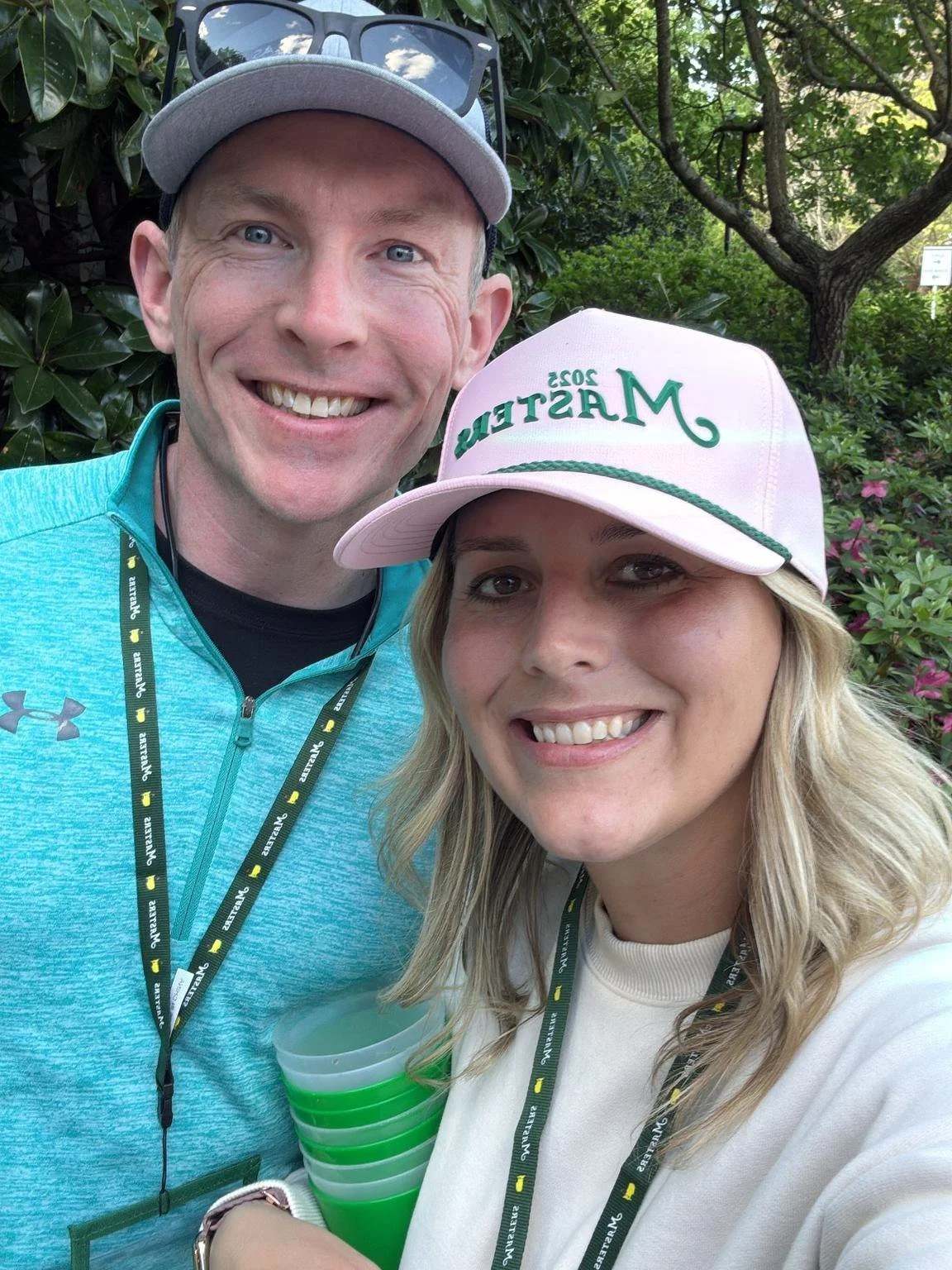
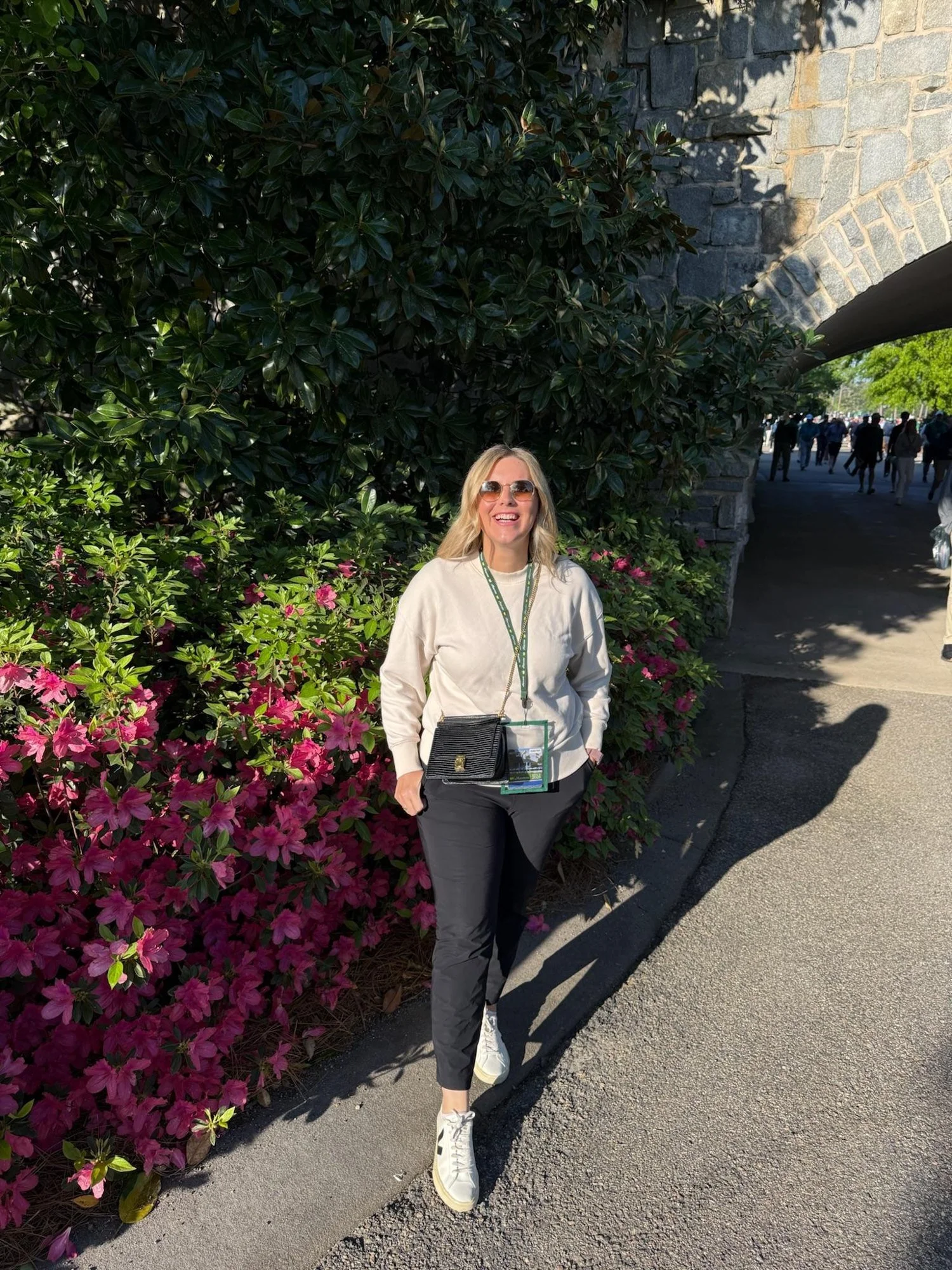
Lauren and her husband in front of the Masters leaderboard and azaleas at Augusta National
Trust me, the TV doesn't do it justice.

Where to Stay for the Masters

Here's something people don't expect: Augusta isn't a luxury hotel town.

For one week a year, the whole city fills up, and every room is priced for it. So you have three real options.

1. A Historic Guest House Package

This is my favorite way to do it.

It's a 19th-century house on three wooded acres, and the package takes care of everything: your room, your badges, continental breakfast, evening cocktail hours, shuttles to the course, airport pickup and help with dinner reservations.

PackagePrice per person
Women's Amateur (2 nights + Saturday badge)$2,550
Monday (2 nights + Monday badge)$4,250
Wednesday–Thursday (3 nights + 2 badges)Sold out
Saturday–Sunday (3 nights + 2 badges)Sold out

Prices are based on two people sharing a room. Two of the four packages are already gone.

2. A Local Hotel Package

The most flexible option. You pick the hotel nights and the tournament days you want.

The hotels are simple, think Hampton Inn or Holiday Inn, with breakfast and parking included and up to four guests per room.

NightPrice per room
Friday or Saturday, April 2–3$450
Sunday or Monday, April 4–5$1,150
Tuesday through Sunday, April 6–11$1,350

3. A Private Home

This is a real Augusta tradition. Local families rent out their homes for Masters week, and it's perfect for families, golf buddies or a group of couples.

HomePrice per night
3 bedrooms$2,750
4 bedrooms$2,950
5 bedrooms$3,450
6 bedrooms$4,250

There's a two-night minimum, and you can add a private van with your own driver for $1,550 a day. That covers airport runs, the course and dinner.

What a Masters Trip for Two Really Costs

Here are two examples, so you can picture it.

A Monday at the guest house: two nights, Monday badges, breakfast, cocktails and every shuttle taken care of. About $8,500 for two.

A Tuesday practice round with a hotel: two Tuesday badges plus Monday and Tuesday nights at a local hotel. About $9,800 for two.

Flights and dinners are extra, of course. (And you'll want at least one pimento cheese sandwich.)

A Masters Trip Makes the Best Gift

If there's a golfer in your life, a Masters trip under the tree is hard to beat.

Just don't wait too long. The best packages are already selling out, and prices have already gone up once.

Ready to Go to Augusta?

Tell me who's going and which day you have your eye on. I'll check what's still available and take care of the rest.
Let's plan your Masters trip

Finish on the Beach: Where to Go After Your African Safari

Ending a safari on the beach is one of my favorite ways to finish a trip, and it's a must for honeymooners.

Here's how I help clients choose.

Which Beach Goes With Your Safari?

Zanzibar

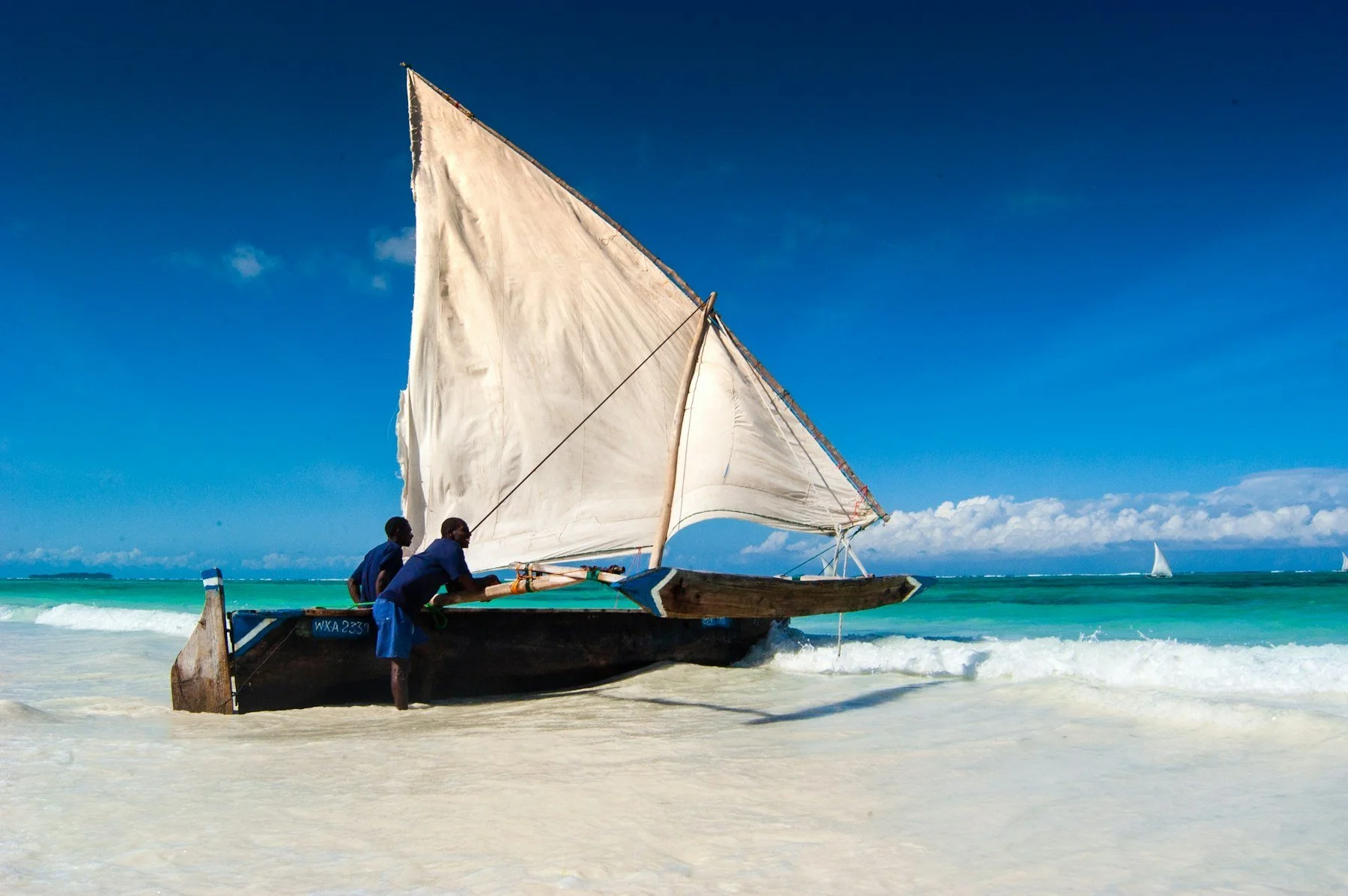
The natural pairing for Tanzania, just a short flight from the Serengeti. Swahili culture, Stone Town and beautiful white beaches.

Mozambique

Barefoot-luxury island lodges in the Bazaruto and Quirimbas archipelagos, easy to add after a South Africa or Kruger safari.

Mauritius

Lagoons, luxury resorts and lots to do, with good flights from Johannesburg after a southern Africa safari.

The Seychelles

Dreamy beaches and the most exclusive resorts, a beautiful finish after an East African safari.

Zanzibar

Zanzibar is easy, exotic and full of character. Spend an afternoon in historic Stone Town, take a spice tour, look for red colobus monkeys in Jozani Forest, and snorkel or dive around Mnemba Atoll.

The best months are June to October and January to February, when it's dry and warm, and the water is clearest for snorkeling. The long rains come in March to May, with April the wettest month.

Mozambique

Mozambique's islands feel like a true escape: white sand, turquoise water and small, beautiful lodges. The Bazaruto and Quirimbas archipelagos are the places to go, with direct flights that make them easy add-ons. Depending on the season, you may see whale sharks and turtles.

The best time is April to November. December to February is very wet.

Mauritius

Mauritius has calm lagoons protected by coral reefs, some of the best luxury resorts in the Indian Ocean, and plenty to do beyond the beach, from hiking in Black River Gorges to exploring its mix of cultures and food.

May, June and September to November are wonderful. Cyclone season runs from about January to March.

The Seychelles

The Seychelles is the ultimate island splurge, with soft white beaches, granite boulders and lush green mountains. Many travelers split their stay between Mahé and Praslin, a short flight or ferry away.

The sweet spots are March, April, October and November, which are also the best months for diving and snorkeling. December and January are the wettest.

I've written more about the Seychelles and its resorts.

Best Months for the Beach

JanFebMarAprMayJunJulAugSepOctNovDec
Zanzibar
Mozambique
Mauritius
Seychelles
BestGoodMixed

How Long to Stay

Plan on at least 4 nights at the beach. After the travel day, that gives you three full days to truly relax.

My Biggest Advice

Choose your beach based on your safari, not the other way around. A Tanzania safari flows easily into Zanzibar, while a Botswana or South Africa safari pairs beautifully with Mozambique or Mauritius. I'll help you match the beach, the month and the flights so the whole trip feels effortless.

keep planning

Ready to start planning your safari?

Plan My Safari
How Much to Tip on an African Safari: A Simple Guide

It's a fair question. Tipping in Africa can feel a little unclear, because customs vary by country and by lodge.

So here's the same guide I send my own clients before every safari.

First, the Most Important Thing

Tipping is always your choice. It should reflect your own experience and the service you received, and it is never mandatory.

These are simply guidelines. Whatever feels comfortable to you is absolutely appropriate.

Tipping on Safari

WhoHow much
Safari guide$15–$20 per guest, per day
Tracker$10–$15 per guest, per day
Butler or personal host$10 per room, per day
General camp staff$15–$20 per guest, per day

Tipping in the City

WhoHow much
Airport assistance$5 per person
Airport transfer driver$10 per transfer
Private touring guide$20 per person for a full day, $15 for a half day
Restaurants10–15%, if service isn't already included and you're happy with it

How Tipping Works at a Safari Camp

  • Tip your guide, tracker and butler separately. These are the people you'll spend the most time with, and it's customary to thank each one directly.
  • Use the gratuity box for everyone else. Most camps have a shared box in the main lodge area for housekeeping, the kitchen and the rest of the camp team.
  • Tip once, at the end of your stay. There's no need to tip daily.
  • Check your welcome materials. Some lodges share their own suggested amounts, which can vary a little by property.
  • You don't always need cash. Many lodges let you add gratuities to your card at checkout. If that matters to you, confirm with the lodge team when you arrive.

What Currency to Bring

Most properties happily accept tips in US dollars or the local currency.

In most cases, small US bills are the easiest and most convenient option, so tuck some into your bag before you leave home.

My Biggest Advice

Don't stress over it! Your guides will be the highlight of your trip, and you'll know exactly how you want to thank them by the end.

keep planning

Ready to start planning your safari?

Plan My Safari
How to Go to the Masters in 2027: Tickets, Hospitality Packages and What It's Really Like
 

Quick question.

Is there a golfer in your life who has "go to the Masters" on their bucket list? (If you're married to one, you already know the answer.)

The 2027 Masters is April 8-11 at Augusta National, with practice rounds starting Monday, April 5.

April feels far away.

It isn't. Not for this one.

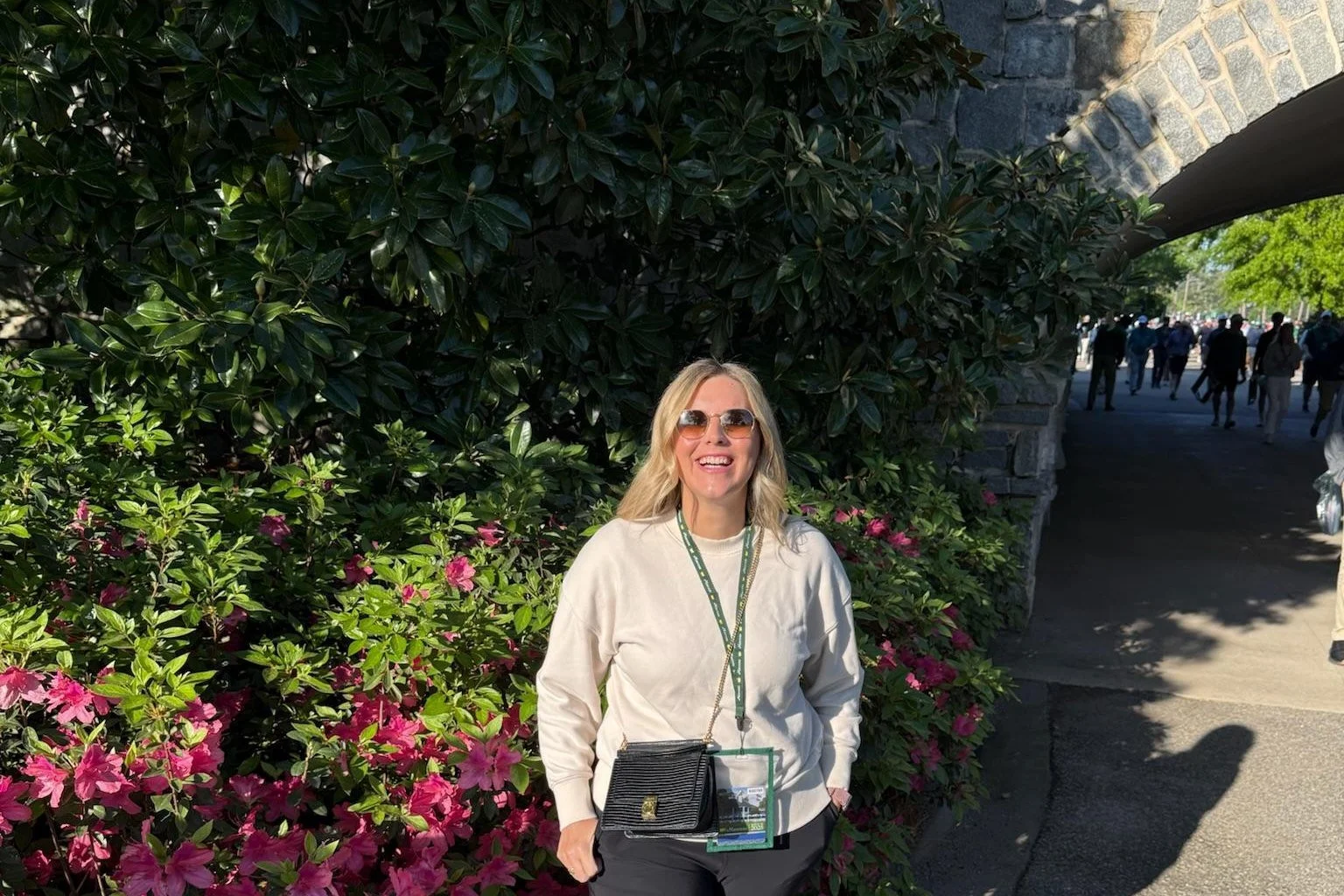
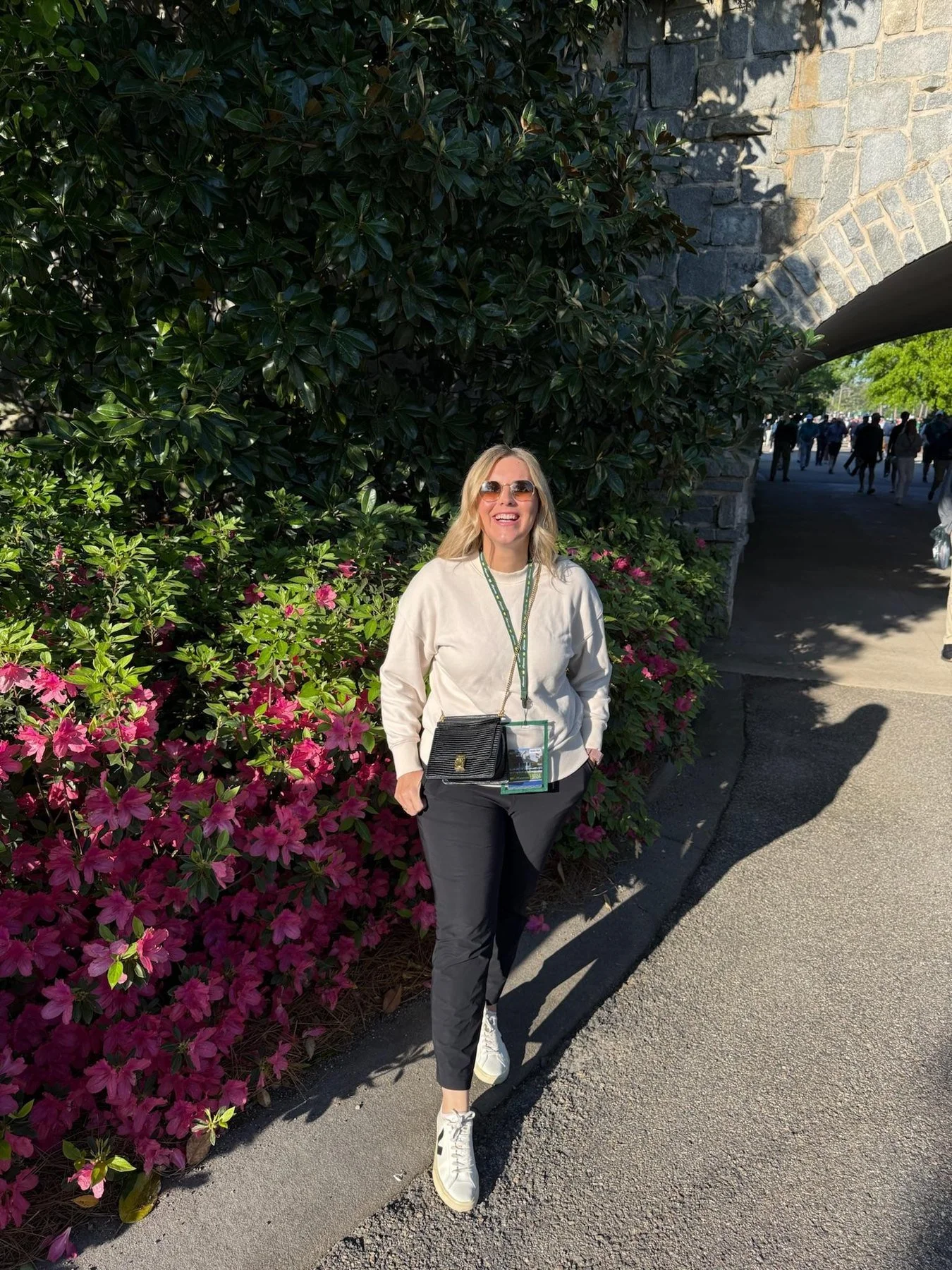
Lauren of That Blonde Travels walking past blooming azaleas at the Masters in Augusta
Lauren and her husband wearing badges and a Masters cap at Augusta National

Why You Can't Wait to Plan the Masters

Here's the honest part.

Getting into the Masters is famously hard.

Augusta National sells tickets through a lottery, and the lottery for 2027 already happened back in the summer. If you didn't win, you're not alone. Most people don't.


Can You Still Get Masters Tickets for 2027?

Yes, but the realistic way in now is a hospitality package: tickets, a place to stay and transportation, put together by a hospitality company.

And those get snapped up early.

So does every hotel room and rental home within driving distance of Augusta. The whole town fills up for that one week.


A Word of Caution About Masters Tickets

This is where people get burned.

Augusta National is very strict about tickets, and badges bought through the wrong channels can be refused at the gate.

So please, please don't buy from a random website because the price looks good.

This is exactly the kind of trip where it pays to have someone in your corner who knows which companies are reputable and what's actually included.


What It's Actually Like at the Masters

I went in 2025 for my fourth time, and here are a few things that surprise first-timers.

No cell phones on the course. None. It's strangely wonderful.

The famous pimento cheese sandwiches are cheap and iconic. You will eat more than one. My personal favorite is actually the egg salad sandwich with some hot sauce. Yum!

And seeing the course in person, with the azaleas in bloom? Trust me, the TV doesn't do it justice.

(If you want the full day, here's my post on a day at the Masters.)


Which Day Should You Go to the Masters?

The practice rounds and Wednesday's Par 3 Contest are often the most relaxed (and fun) days to go, and the gift shop has the best selection!


A Masters Trip Is the Ultimate Gift

Wrapping a Masters trip under the tree? Easily the best gift of the year. Just saying.

Thinking About Augusta?

If the Masters is on your list for April, or you're looking for the ultimate holiday gift for the golfer in your life, now is the time.

Tell me who's going and which days you're interested in. I'll take it from there.

Let's plan your Masters trip

 
Kenya and Tanzania Safari Guide: The Masai Mara, Serengeti and the Great Migration

That's Kenya and Tanzania. Together they're home to the Great Migration, and they're the classic choice for a first safari.

Here's how the two compare, and how I help clients decide.

Kenya or Tanzania?

You really can't go wrong with either, and it's easy to combine the two. The Masai Mara in Kenya and the Serengeti in Tanzania are actually one connected ecosystem, and the migration moves between them through the year.

Kenya

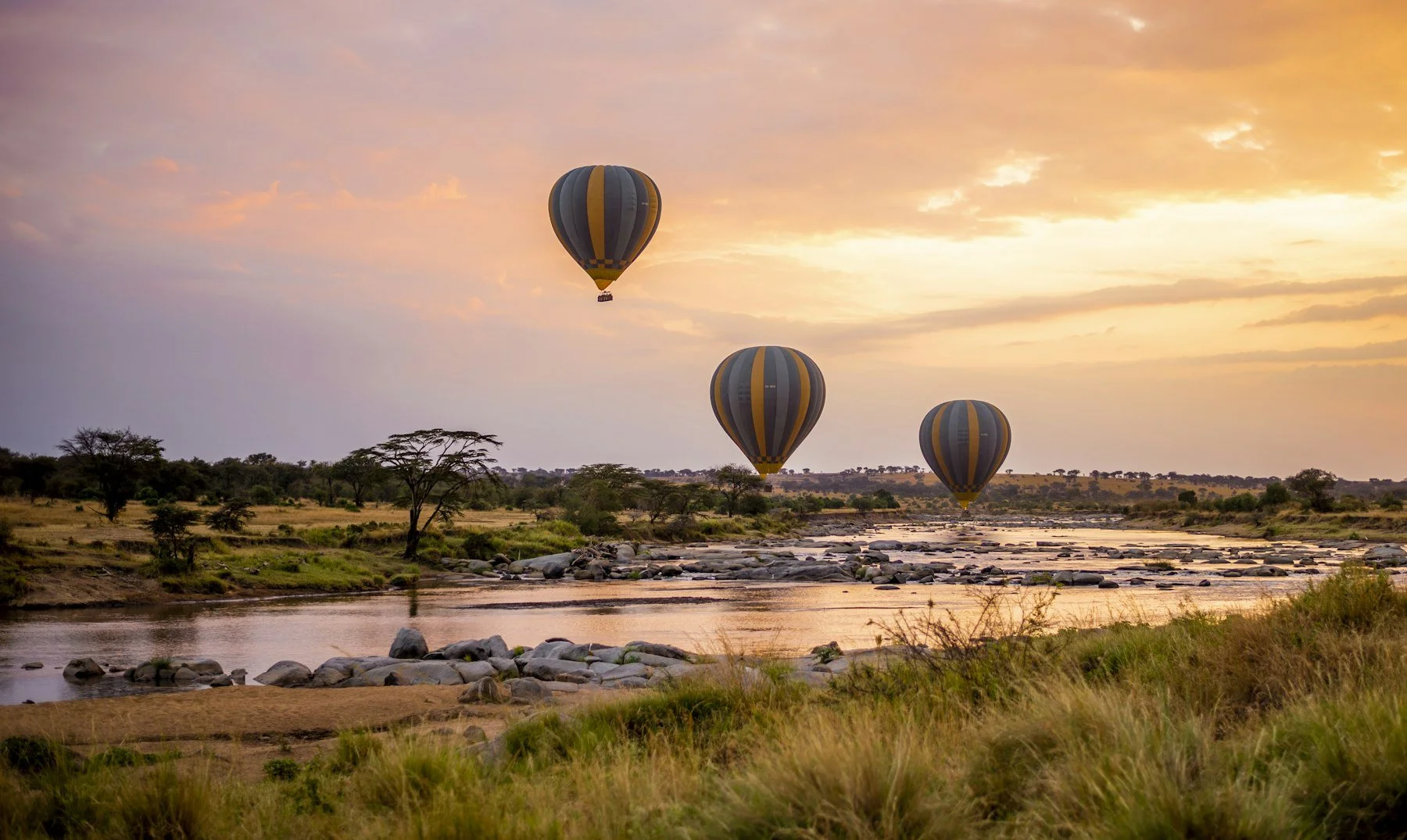
The Masai Mara for big cats and river crossings, hot-air balloon safaris, private conservancies, and easy add-ons like Amboseli's elephants under Kilimanjaro

Tanzania

The vast Serengeti, the Ngorongoro Crater, calving season in January and February, and the beaches of Zanzibar to finish

Where to Go in Kenya

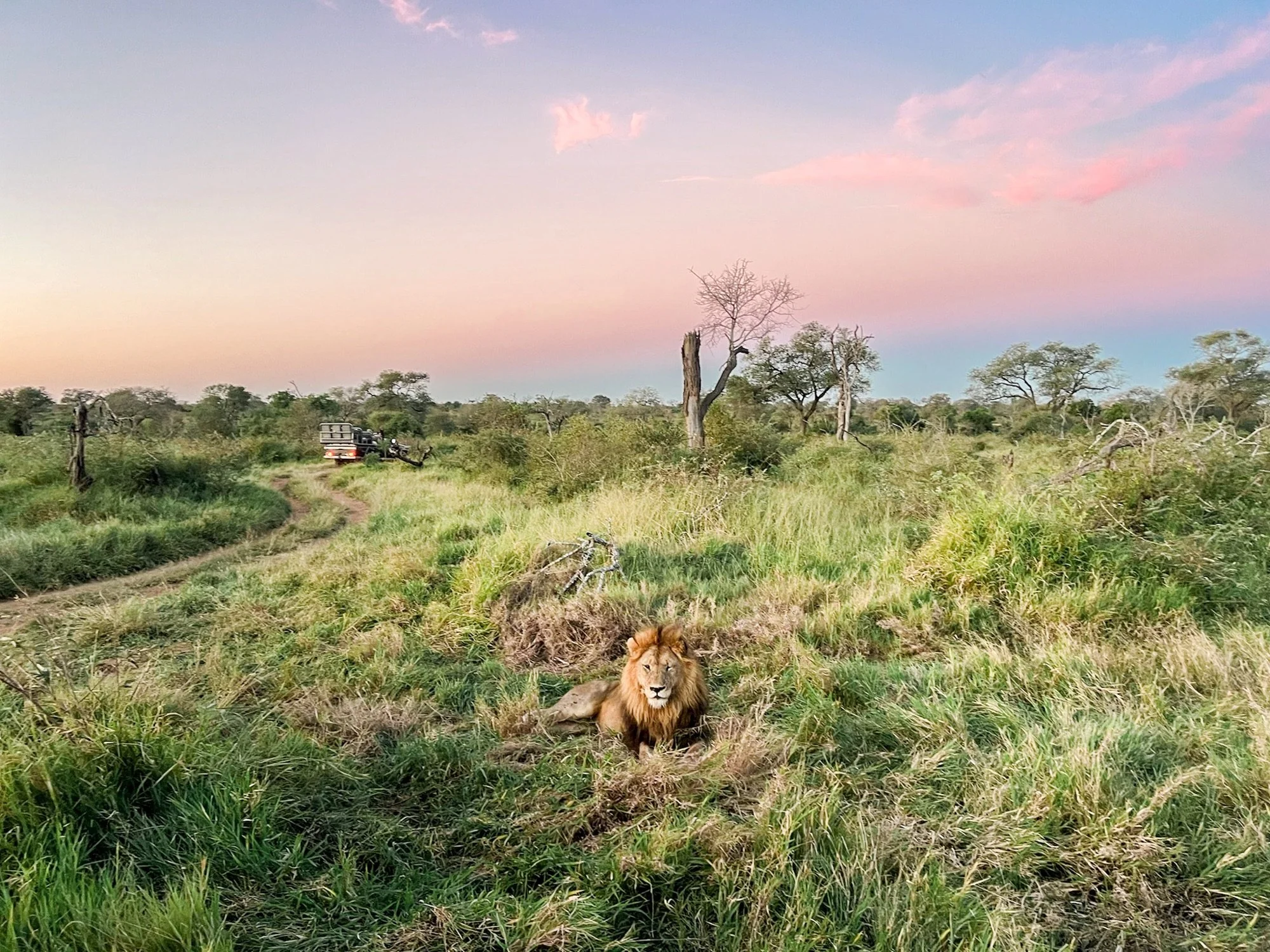
  • Masai Mara National Reserve: Kenya's most famous park, known for lions, leopards and cheetahs, and the migration from about July to October. The private conservancies around it offer night drives, walking safaris and far fewer vehicles.
  • Amboseli National Park: big elephant herds with Mount Kilimanjaro as the backdrop.
  • Samburu National Reserve: a drier, more remote landscape in the north, with species you won't see in the Mara.

Where to Go in Tanzania

  • Serengeti National Park: the heart of the Great Migration, with excellent game viewing all year. Different areas are best in different months.
  • Ngorongoro Crater: an enormous volcanic crater packed with wildlife, where you can see the Big Five in a single day. It's best as a full-day game drive with a picnic lunch.
  • Tarangire and Lake Manyara: smaller parks that pair well with the Serengeti and Ngorongoro, known for elephants.
  • Nyerere and Ruaha: remote southern parks for travelers who've already done the classics, and two of the best places to look for wild dogs.

Where the Great Migration Is, Month by Month

MonthWhere the herds usually are
January to MarchSouthern Serengeti (Ndutu), for calving season in January and February
April and MayMoving north through the central Serengeti, during the long rains
June and JulyWestern Serengeti (the Western Corridor)
August and SeptemberNorthern Serengeti and Kenya's Masai Mara, with the Mara River crossings
OctoberStarting the journey back south from the Mara
November and DecemberHeading back toward the southern Serengeti with the short rains

The herds follow the rain, so the timing changes a little every year. River crossings are never guaranteed, which is part of what makes seeing one so special.

When to Go

June to October is the classic dry season, with the best game viewing and the migration in the north. January and February are wonderful too, especially for calving in Tanzania.

April and May bring the long rains. It's low season, with lower rates and fewer people, but some camps close.

See my full month-by-month safari guide for every country.

How Long to Go

Plan on a minimum of 8 days. That gives you time for two or three camps without spending your whole trip in transit.

Pricing varies by camp and season, and I'll give you real numbers once I know your dates.

Finish on the Beach

After a safari in Tanzania, Zanzibar is just a short flight away. It's the perfect place to slow down for a few days, and a favorite add-on for honeymooners.

My Biggest Advice

Decide what you want to see first. If seeing a river crossing is at the top of your list, go in August or September. If you'd love baby animals and fewer people, look at January and February in Tanzania. I'll help you match the month, the parks and the camps.

keep planning

Ready to start planning your safari?

Plan My Safari
When to Go on Safari: A Month-by-Month Guide

The honest answer is that it depends on where you're going. Africa is huge, and the seasons are different in Botswana than they are in Kenya.

Here's how I help my clients pick the right month.

The Short Answer

For most of Africa, the dry season, roughly June to October, is the classic time to go. The grass is shorter, the trees are thinner and the animals gather around water, so they're much easier to find.

It's also high season. The best camps fill up first, so for these months I recommend booking 12 to 18 months ahead.

Best Months by Country

JanFebMarAprMayJunJulAugSepOctNovDec
Botswana
South Africa (Kruger)
Cape Town
Namibia
Zambia
Zimbabwe
Kenya
Tanzania
Rwanda (gorillas)
BestGoodMixed

Month by Month

January and February

The Great Migration's calving season in Tanzania's southern Serengeti, when thousands of wildebeest are born and the predators are never far behind. Kenya has a dry spell, and Rwanda is drier too. Cape Town is at its summer best. Much of southern Africa is hot and rainy, and some camps in Botswana close for part of the season.

March to May

The long rains in East Africa, with April usually the wettest month. This is low season, with lower rates and fewer people. By May, Botswana, South Africa and Namibia are drying out and coming into their best months.

June to October

Prime time almost everywhere. Botswana's Okavango Delta has its highest water from about July to October, which is perfect for mokoro (dugout canoe) trips. In Kenya and Tanzania the migration moves north, and the famous Mara River crossings are most likely in August and September. Rwanda's dry season makes the gorilla trails easier, and the falls at Victoria Falls are clearer to see than in the misty peak-flow months. Nights and early mornings can be cold, so bring layers.

November and December

The start of green season in southern Africa. The landscape turns green, baby animals arrive and the birding is wonderful. Kenya and Tanzania have their short rains, which usually come and go. It's also a great time to combine safari with Cape Town or a beach.

Don't Rule Out Green Season

  • Lower rates at many lodges and camps
  • Fewer vehicles at sightings
  • Newborn animals and dramatic predator action
  • The best birding of the year, with migrant birds arriving
  • Lush, green scenery and beautiful skies for photos

The trade-offs: it's hotter, afternoon storms are common, and some remote camps close. It works best when you choose the right country and camp for the month, which is exactly what I help with.

My Biggest Advice

Pick your month and your country together. A safari in Botswana in August and one in Kenya in January can both be perfect, but the same month can be very different from one country to the next.

keep planning

Ready to start planning your safari?

Plan My Safari
What to Pack for an African Safari: My Packing List

You don't need a whole new wardrobe or anything fancy. In fact, you'll probably pack less than you would for a week at the beach.

Here's the same packing list I send my own clients before they leave.

What to Wear on Safari

Pack comfortable, casual clothing in muted, neutral colors. Think khaki, olive, beige, cream, grey and other earth tones.

Skip bright colors, and leave the camouflage print at home.

Whatever the time of year, early mornings and evenings can be chilly, especially on an open safari vehicle. Layers are always your friend.

KhakiOliveBeigeCreamGrey

Why You'll Pack Lighter Than You Think

Most lodges and hotels offer laundry service, and it's often included. That makes it easy to rotate the same few outfits through your whole trip.

This matters more than you'd expect. If your trip includes small bush planes between camps, luggage allowances are strict, and soft-sided bags are usually required. Your exact allowance will be in your trip documents before you go.

My Safari Packing List

Clothing

  • 2 breathable long-sleeved shirts, for sun and insect protection
  • 2 t-shirts for relaxing at the lodge, city touring or casual days
  • 2 pairs of shorts or lightweight pants
  • 2 pairs of safari trousers or casual pants for game drives and walks (shorts are perfectly fine too)
  • 2 pairs of jeans or casual trousers for evenings at the lodge
  • 1 warm jacket or fleece for early morning and evening game drives
  • 1 lightweight rain jacket with a hood
  • Sleepwear and undergarments

Shoes

  • 1 pair of comfortable walking shoes or sneakers
  • 1 pair of flip-flops or sandals for downtime at the lodge or pool

Accessories and Essentials

  • A small backpack or day bag, water-resistant if possible
  • Swimwear
  • Sunglasses
  • A broad-brimmed hat or cap
  • Sunscreen
  • Moisturizer and lip balm
  • Eye drops or nasal spray, if you use them
  • Strong insect repellent (most lodges provide it)
  • A neck gaiter or buff for cool mornings and dusty roads

Safari Gear

  • Binoculars (compact and lightweight are best)
  • Camera equipment and chargers
  • A portable power bank

A Few Final Notes

  • No formal clothes needed. Safari camps are very relaxed, even at dinner.
  • Layers are the most important part of packing, especially for morning game drives.
  • Repeating outfits is normal. Laundry is usually quick and easy.
  • Pack a soft-sided bag if your trip includes bush flights.

keep planning

Ready to start planning your safari?

Plan My Safari
Gorilla Trekking in Rwanda: What to Know Before You Go

Rwanda's Volcanoes National Park is where Dian Fossey began her famous gorilla research, and today it's one of the best places in the world to see them.

Here's what to know before you go.

What a Trek Day Is Like

  • You stay outside the park. Lodges sit near the park edge, and each trek is a guided day trip.
  • You'll start early. You'll meet your guides, be matched with a gorilla family, and then hike into the forest to find them.
  • The hike varies. Some families are close, and some take longer to reach. The trails are steep, muddy and slippery all year, so good hiking shoes matter.
  • It's cool up there. Expect cool, damp days around 15°C (59°F), and colder nights.
  • Sightings are very likely. The gorilla families are habituated, and the trackers know where they are.

When to Go

The drier months, June to September, are the most popular because the trails are easier. January and February are also drier.

The rest of the year is wetter, with April usually the wettest month, but treks run year-round. The gorillas don't mind the rain, and the green season brings lower rates.

Gorilla Permits

Every trek requires a permit, and the number of permits each day is limited. They sell out first in the June to September high season, so book well ahead. I take care of securing permits for my clients as part of planning the trip.

Beyond the Gorillas

  • Golden monkeys in Volcanoes National Park, a fun second trek
  • Nyungwe National Park for chimpanzee trekking, a canopy walk and rainforest birding
  • Akagera National Park for a classic savanna safari with the Big Five, plus boat trips
  • Lake Kivu for a few relaxing days by the water

How to Add Rwanda to Your Trip

A gorilla trip can be just 4 to 5 days, so it's easy to add to a Kenya or Tanzania safari. Many travelers do the gorillas first and then head to the savanna for game drives.

See my Kenya and Tanzania safari guide for ideas.

What to Pack for a Trek

  • Sturdy, broken-in hiking shoes
  • A lightweight rain jacket with a hood
  • Long pants and long sleeves in neutral colors
  • Layers for cool mornings
  • A small backpack, water and snacks
  • Camera with a spare battery

For the rest of your trip, here's my full safari packing list.

My Biggest Advice

Book early, and give yourself time. An extra day in Rwanda means you can add a second trek or explore beyond the gorillas without rushing.

keep planning

Ready to start planning your safari?

Plan My Safari