Posts in BOTSWANA
The Best Part of Our Family Safari Wasn’t the Animals
 

A few weeks after returning from two weeks in Southern Africa, people kept asking me the same question:

“What was the best part?”

We visited Cape Town, spent several days on safari in South Africa’s Timbavati Private Nature Reserve, saw Victoria Falls from Zambia, and continued into Botswana. We stayed at beautiful properties, spent countless hours on game drives, and finally experienced places that had been on my radar for years.

The obvious answer should have been the wildlife.

We saw lions, elephants, giraffes, zebras, hippos, rhinos, and more animals than I could possibly list. There is something undeniably magical about seeing them in the wild rather than at a zoo or on television.

But when I think about the trip, the animals are not what I talk about first.

I talk about Charlie.

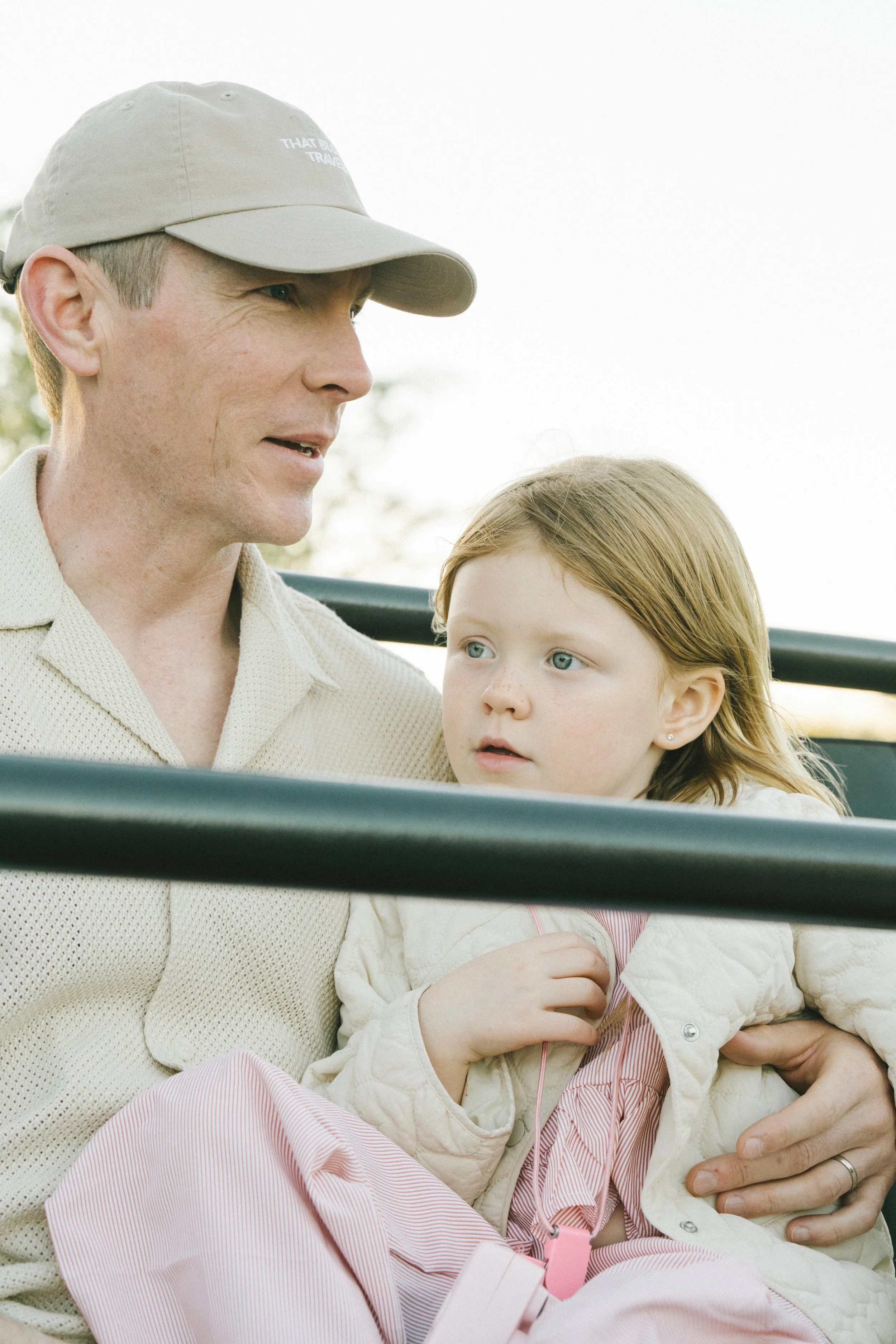
Watching Africa through my five-year-old daughter’s eyes was the best part of our family safari.
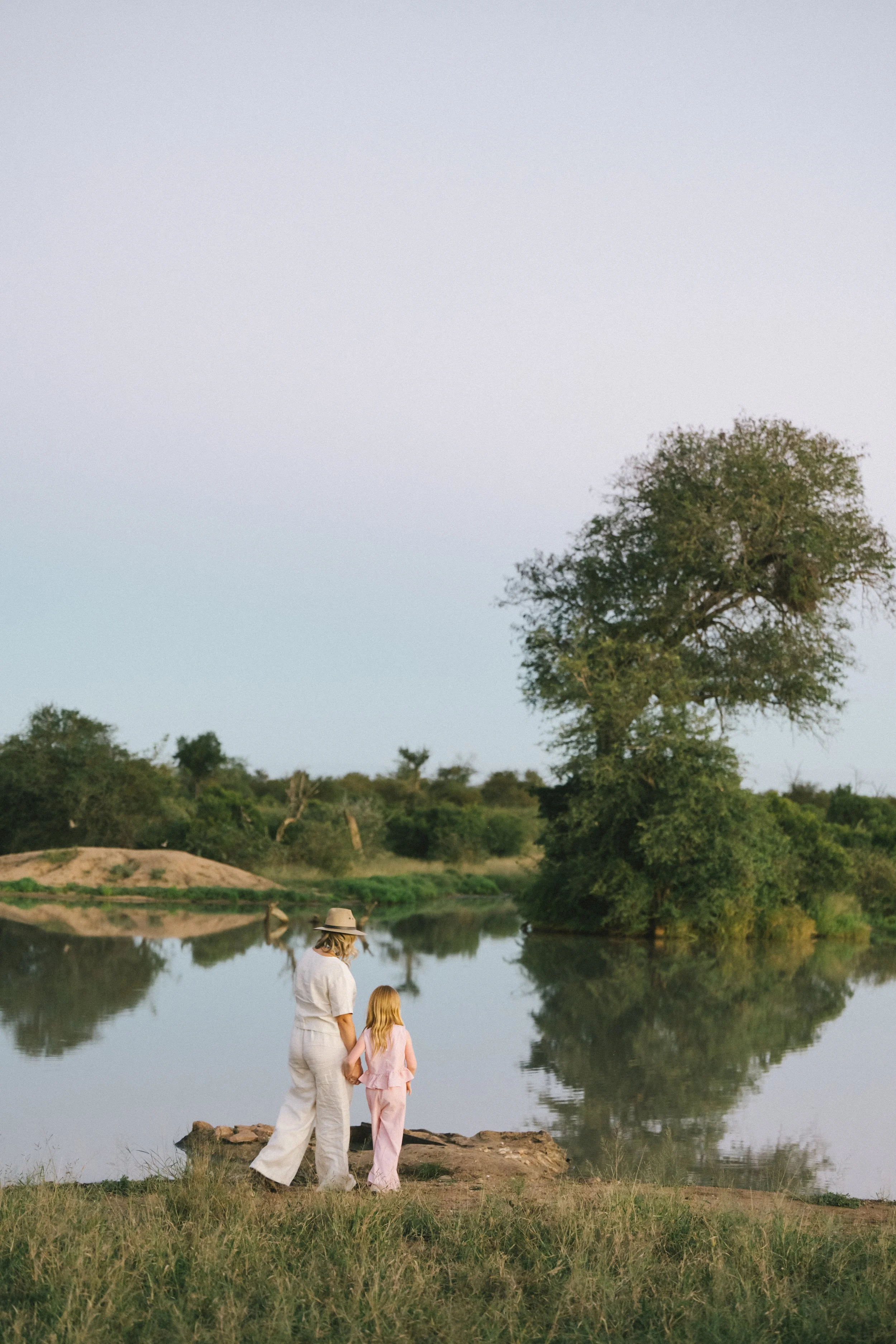
South African Safari

Seeing Safari Through a Child’s Eyes

Every sighting was exciting to Charlie. Every game drive was an adventure. Whether we spotted a lion or another impala, it was somehow the most fascinating thing she had ever seen.

As adults, we can become preoccupied with finding the next big sighting. We want to see the Big Five, capture the perfect photograph, and make the most of every minute.

Children do not experience safari that way.

They notice everything. They ask questions we would never think to ask. They become fascinated by tracks in the dirt, tiny insects, strange bird calls, and the personalities of the guides.

They are simply excited to be there.

Watching Charlie was a reminder that safari is not about checking animals off a list. The most memorable moments are often the ones you never planned.


Beginning Our Family Safari in Cape Town

This was my first visit to Cape Town, and it absolutely lived up to the hype.

The combination of food, wine, scenery, wildlife, and culture is difficult to beat. Within a relatively short drive, you can explore the Cape Winelands, visit the penguins at Boulders Beach, take in the views from Table Mountain, or enjoy some of the city’s excellent restaurants.

For many travelers, I recommend combining Cape Town with a South African safari. The city introduces an entirely different side of the country and creates a more varied itinerary than safari alone.

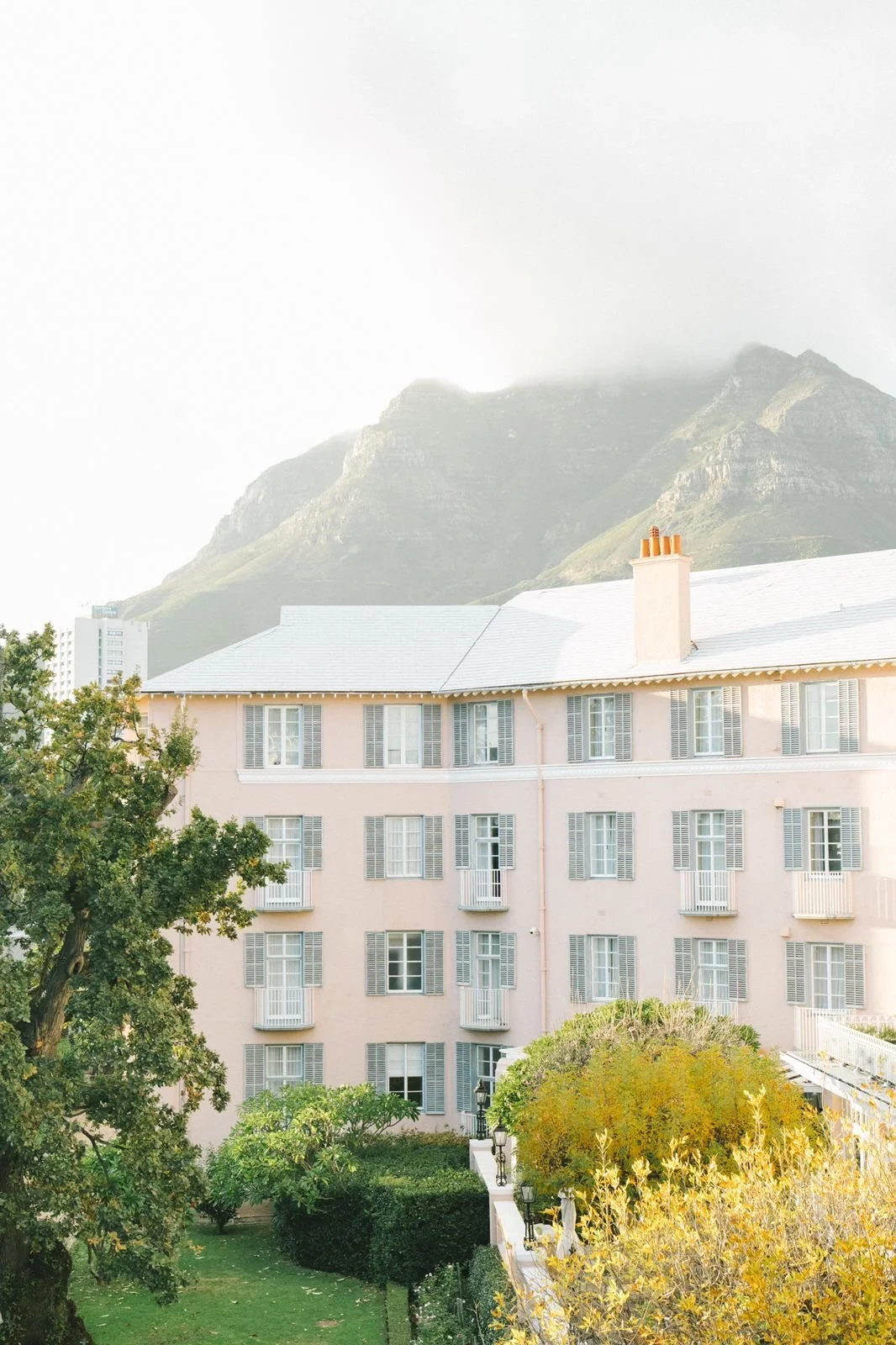
We began our trip with three nights at Mount Nelson, A Belmond Hotel. It was the perfect place to settle in before continuing into the bush.

One of the most unexpected highlights of Cape Town was our guide, Chizzy, pronounced “Cheesy.”

Charlie absolutely adored him. By the end of our time together, they were inseparable, and I am fairly certain he now has a best friend for life.

When we began planning our return to Africa for March 2027, one of Charlie’s first questions was whether Chizzy could be our guide again.

Naturally, we booked him.
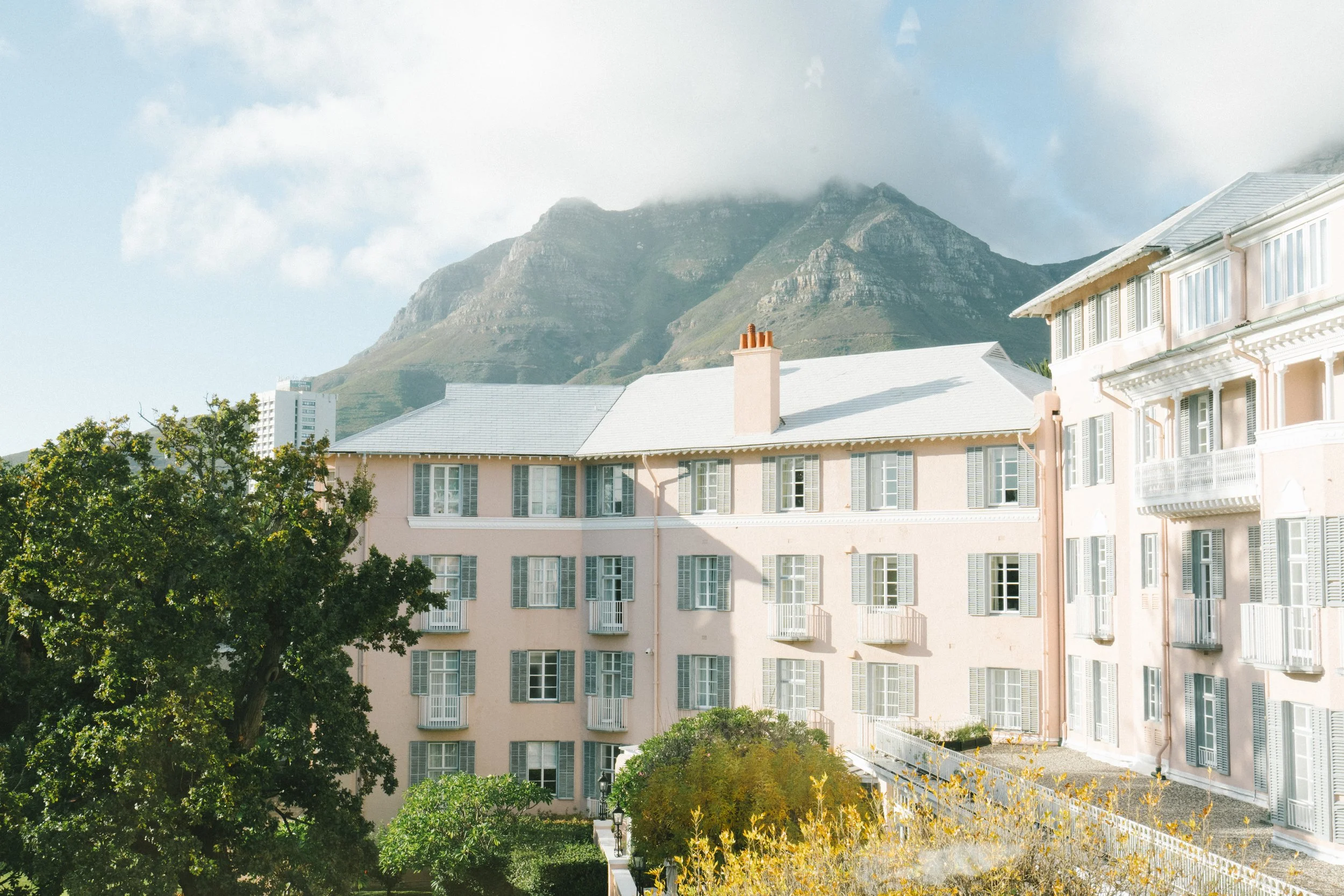
Belmond Mt Nelson

A First Safari in South Africa

Our first game drives began in the Timbavati Private Nature Reserve, where we stayed at RockFig Safari Lodge.

If you are considering your first African safari, South Africa is often where I recommend starting. The wildlife viewing can be exceptional, there are excellent luxury lodges, and the logistics are generally easier to navigate than in some of Africa’s more remote safari regions.

South Africa is also a great choice for families when the right lodge is selected. Not every safari camp accepts young children, and those that do can have different minimum ages for game drives, walking safaris, or shared vehicles.

At RockFig, the intimate setting and personalized experience worked beautifully for our family. More importantly, the pace allowed Charlie to enjoy the safari without every day feeling overly structured.

It was one of the easiest places to understand why people fall in love with Africa and keep returning.


Our Take on Victoria Falls

Our next stop was Zambia to see Victoria Falls.

The falls are extraordinary in scale. The Zambezi River spans more than two kilometers at this point before plunging into a series of gorges, creating what UNESCO describes as one of the world’s most spectacular waterfalls.

If Victoria Falls has always been on your bucket list, it is worth experiencing.

That said, it was not the highlight of the trip for me.

If your primary goal is wildlife and safari, I would devote more of the itinerary to South Africa or Botswana and treat Victoria Falls as an extension. I am glad we experienced it, but it would not be my main reason for returning to the region.

This is also why safari planning is so personal. A famous destination is not automatically the right priority for every traveler.


Experiencing an Exceptionally Wet Botswana

Botswana has a reputation as one of Africa’s premier safari destinations. After visiting, I understand why.

The camps are intimate, the guiding is exceptional, and the experience feels wild and remote. Fewer guests and smaller camps can create a sense of exclusivity that is difficult to replicate elsewhere.

Our visit coincided with an exceptionally wet period. Heavy rain flooded roads and affected local airstrips, creating a few unexpected adventures along the way.

It also transformed the landscape.

The scenery was lush and dramatic, and the conditions created wildlife-viewing experiences we might not have encountered during a more typical season. Our trip did not unfold exactly as anticipated, but that is part of traveling somewhere genuinely wild.

The weather did nothing to change my overall impression of Botswana. It deserves its reputation, and I would return without hesitation.

Clearly, I need to go back and experience it under different conditions.


What Safari Is Really About

People often think safari is about checking animals off a list.

It is not.

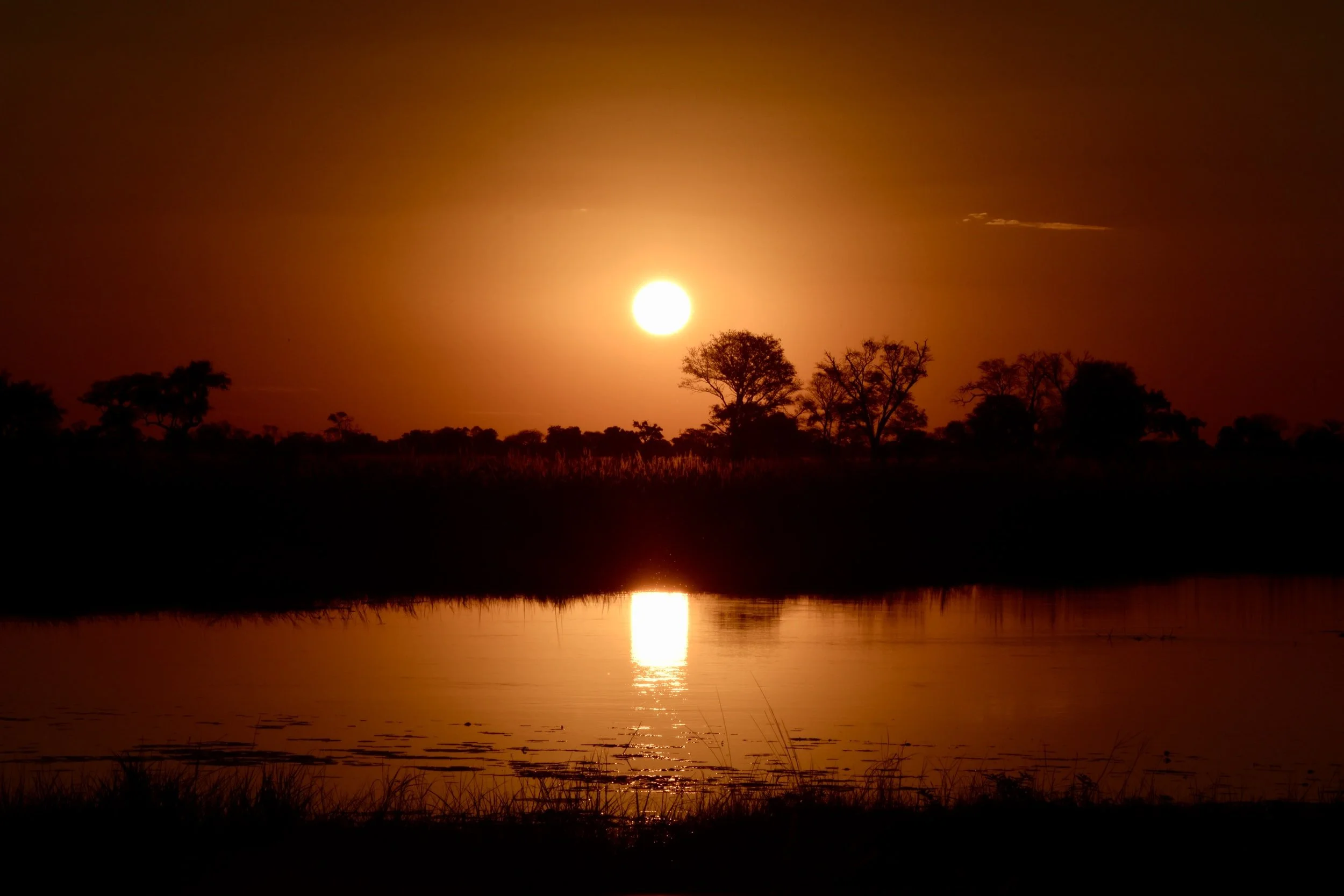
Safari is about slowing down. It is about early mornings, coffee in the bush, sunsets over the bush, and conversations that feel different when you are far away from everyday life.

The animals bring you there.

Everything else makes you want to return.

The guides become an important part of your experience. The drives create a rhythm to your days. Small moments begin to feel significant.

For me, those moments included watching Charlie’s face each time she spotted an animal, listening to her questions, and seeing how quickly she connected with the people around her.

I returned home with hundreds of wildlife photographs.

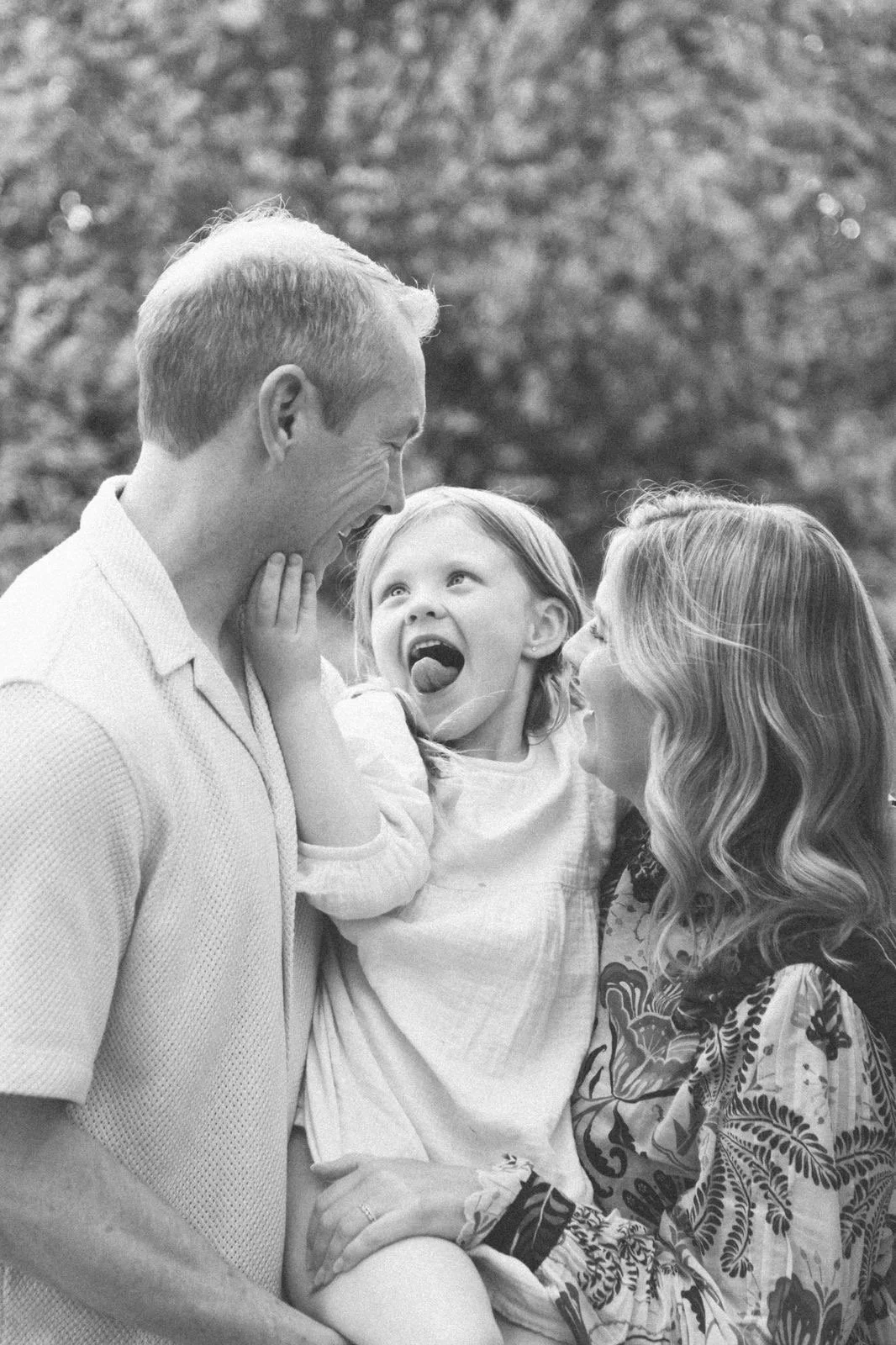
My favorite memories are still of her.
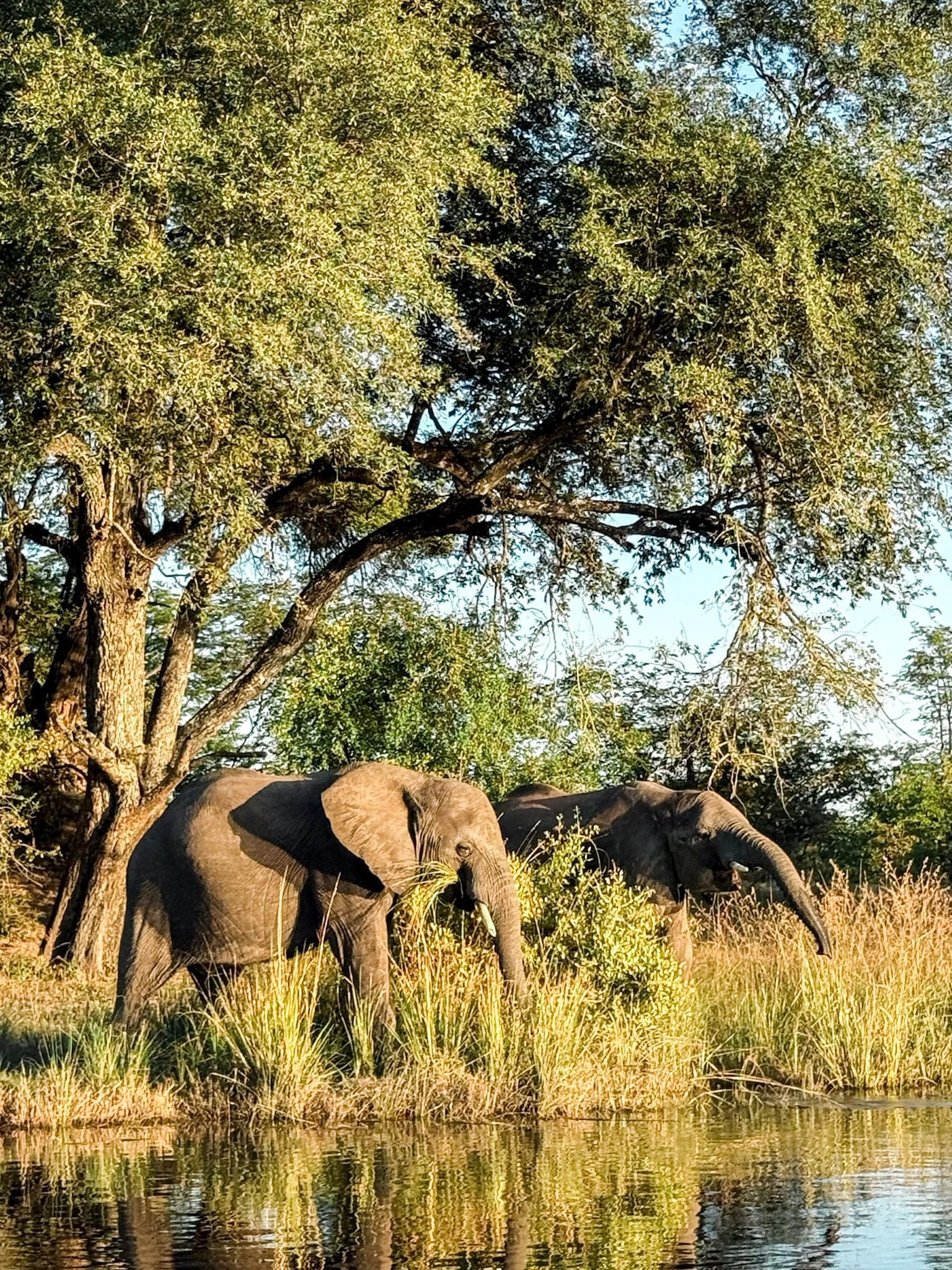
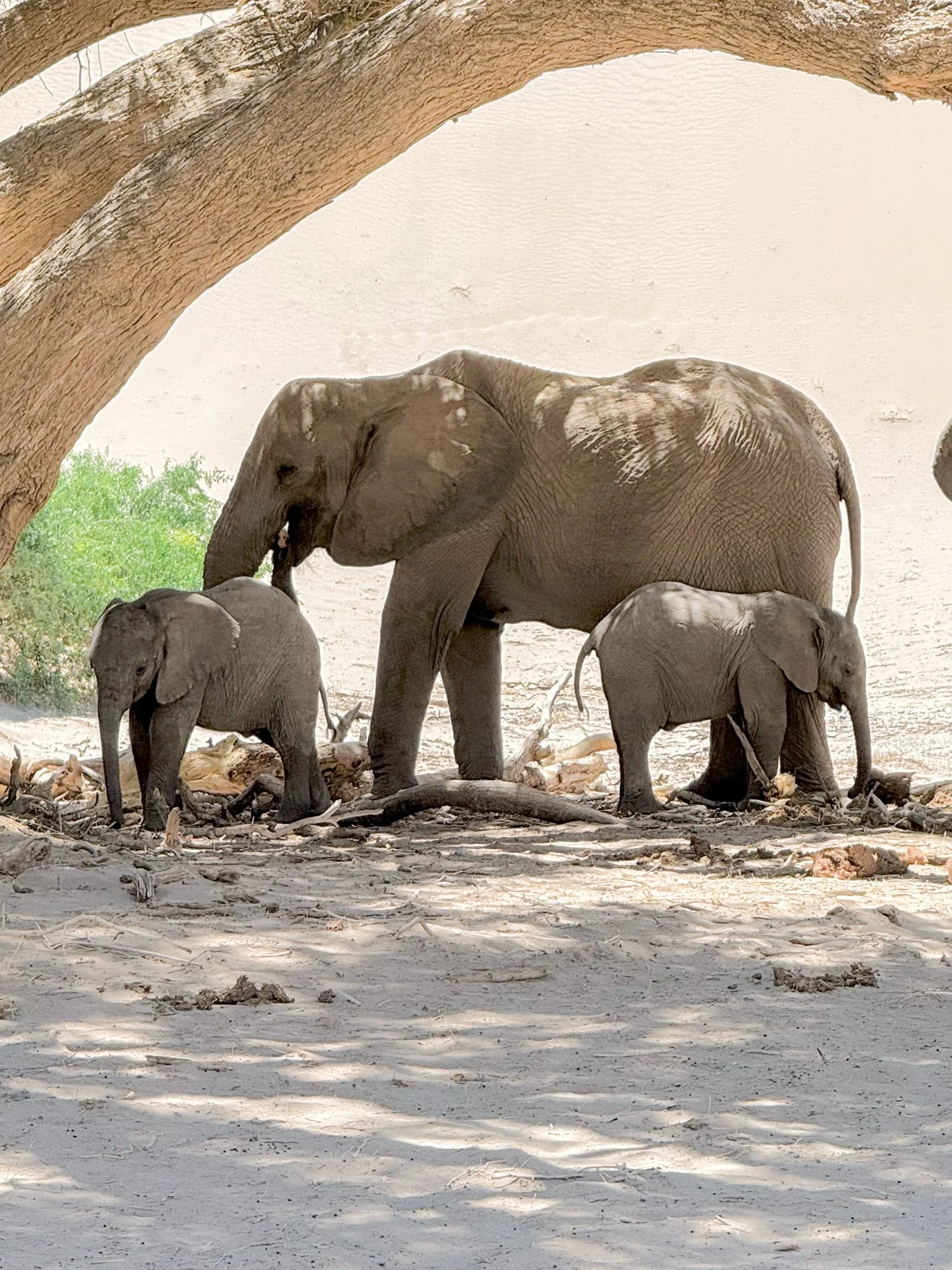
Zambia Elephants
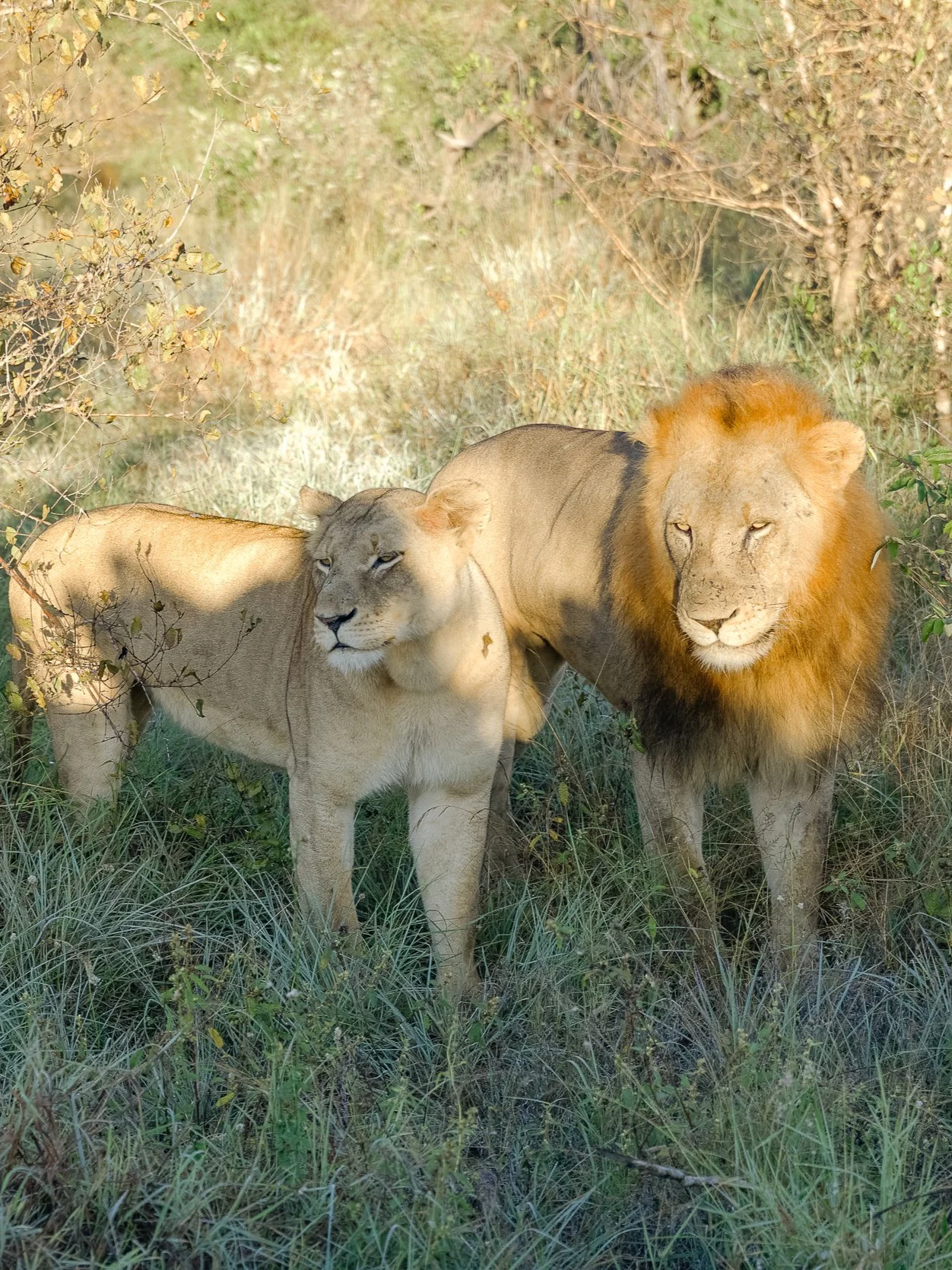
lions south africa

Can Young Children Go on Safari?

Yes, children can absolutely go on safari, but the details matter.

A successful family safari depends on choosing the right destination, lodge, room configuration, and pace. Families should consider:

  • The lodge’s minimum age requirements

  • Age restrictions for game drives and other activities

  • Whether private safari vehicles are available

  • Drive times between camps

  • Malaria considerations

  • The length and timing of game drives

  • Pools, family activities, and downtime at the lodge

  • Family suites or connecting accommodations

  • The child’s ability to remain quiet around wildlife

A five-year-old who loves animals and handles long drives well may have an incredible experience. Another child might enjoy shorter game drives, more downtime, or waiting a few years.

There is no universal “right age” for safari. The itinerary should be designed around the individual child rather than expecting the child to adapt to an adult safari itinerary.


Would I Take My Five-Year-Old on Safari Again?

Without hesitation.

When I planned this trip, I knew the wildlife would be incredible. I did not anticipate how much fun it would be to experience Africa through Charlie’s eyes.

The lions and elephants were exciting, of course. But her curiosity, questions, and enthusiasm for every game drive became the real highlight.

That is why we already have another African safari planned.

If you ask Charlie what she is most excited about, she will not say the lions.

She will tell you she gets to see Chizzy again.
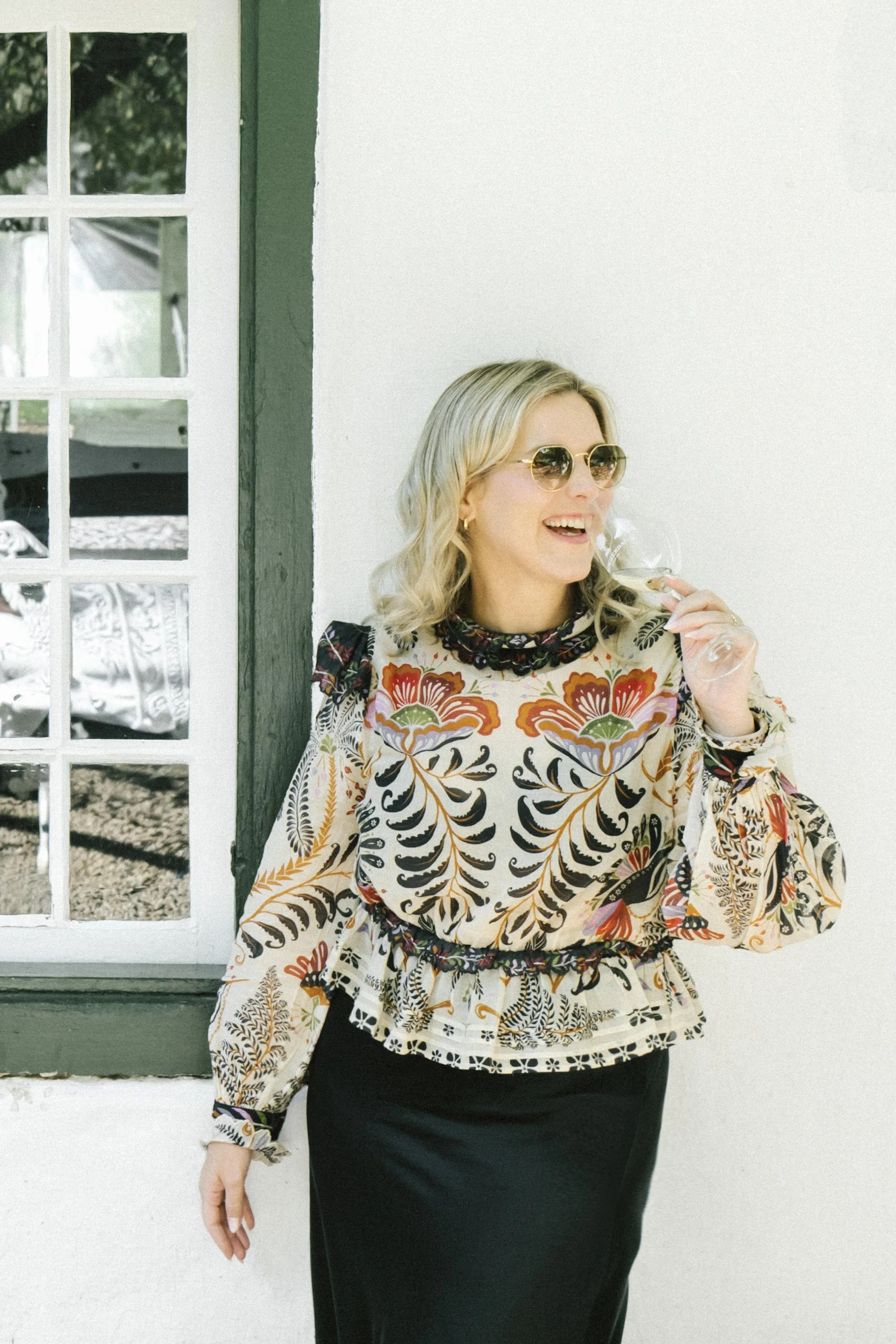
Winelands
Winelands

When Should You Start Planning a Family Safari?

A safari is rarely a good last-minute trip, particularly when traveling as a family.

Many safari camps are small, and the limited family suites and private vehicles can book well in advance. Planning early also gives you more flexibility to choose camps based on your family’s needs rather than settling for what remains available.

A thoughtfully designed safari is not simply about selecting a country. It requires choosing the right camps, routing, guides, activities, and pace.

Those details can determine whether a child feels exhausted and restricted or completely captivated by the experience.

If an African safari has been on your family’s bucket list, I would love to help you decide where to go, when to travel, and which properties will be the best fit.

Start planning your family safari

Some photos by the fabulous Lizelle Goussard.
 
How to Choose the Best African Safari for You
 

As I prepare for another safari, I keep thinking about how different this type of trip is from almost any other vacation.

A safari is not simply a trip you take and check off your list. It is the kind of experience that stays with you long after you return home. The early mornings, wide-open landscapes, incredible guides, and close wildlife encounters all become part of the story.

But “going on safari” can mean many different things. A first-time safari in South Africa will feel very different from exploring the waterways of Botswana, following the Great Migration in East Africa, or trekking through the forest to see mountain gorillas.

Where you travel, when you go, and how the itinerary is designed will shape the entire experience. Here is what you should know when choosing the best African safari destination for your trip.

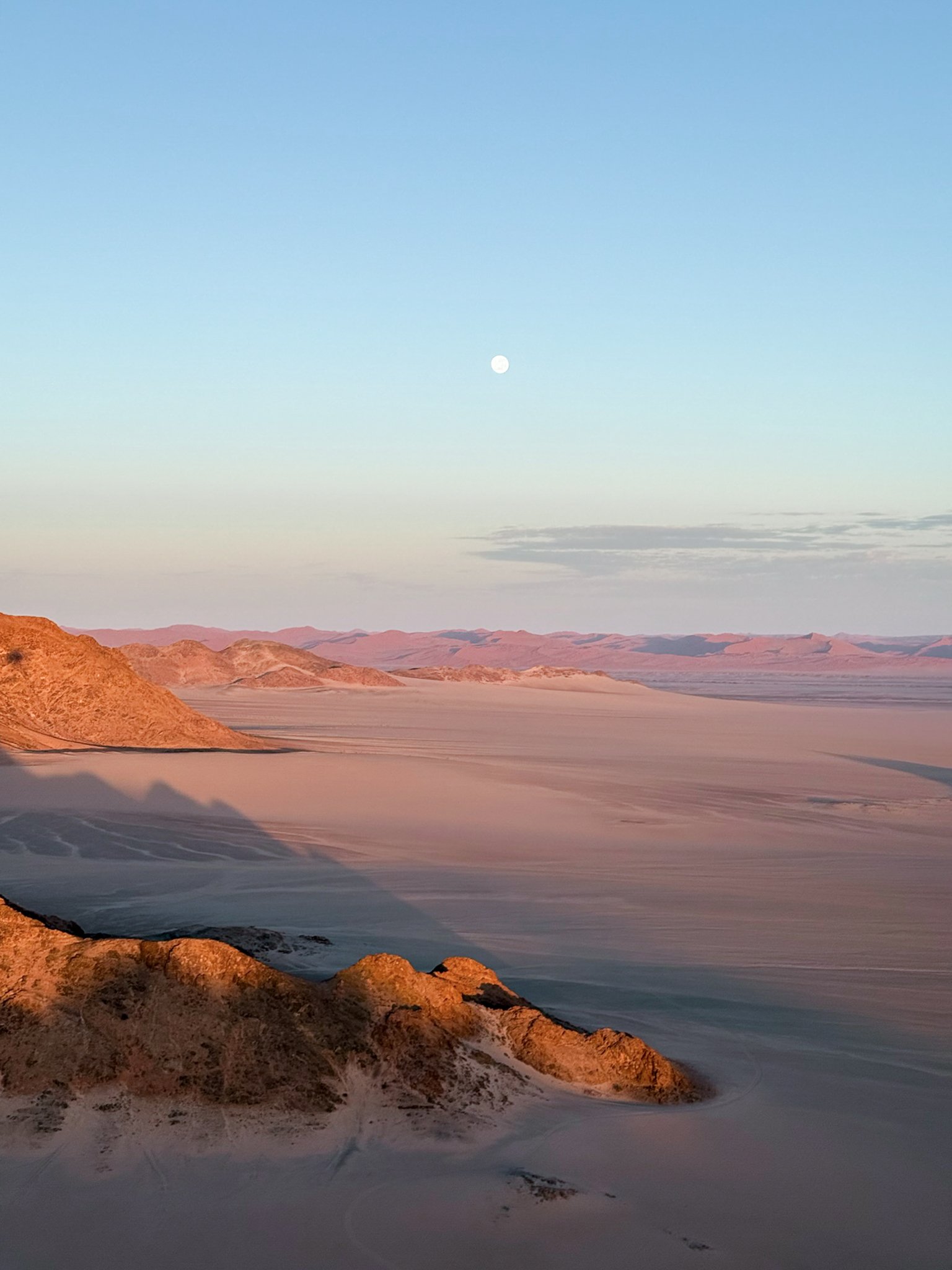
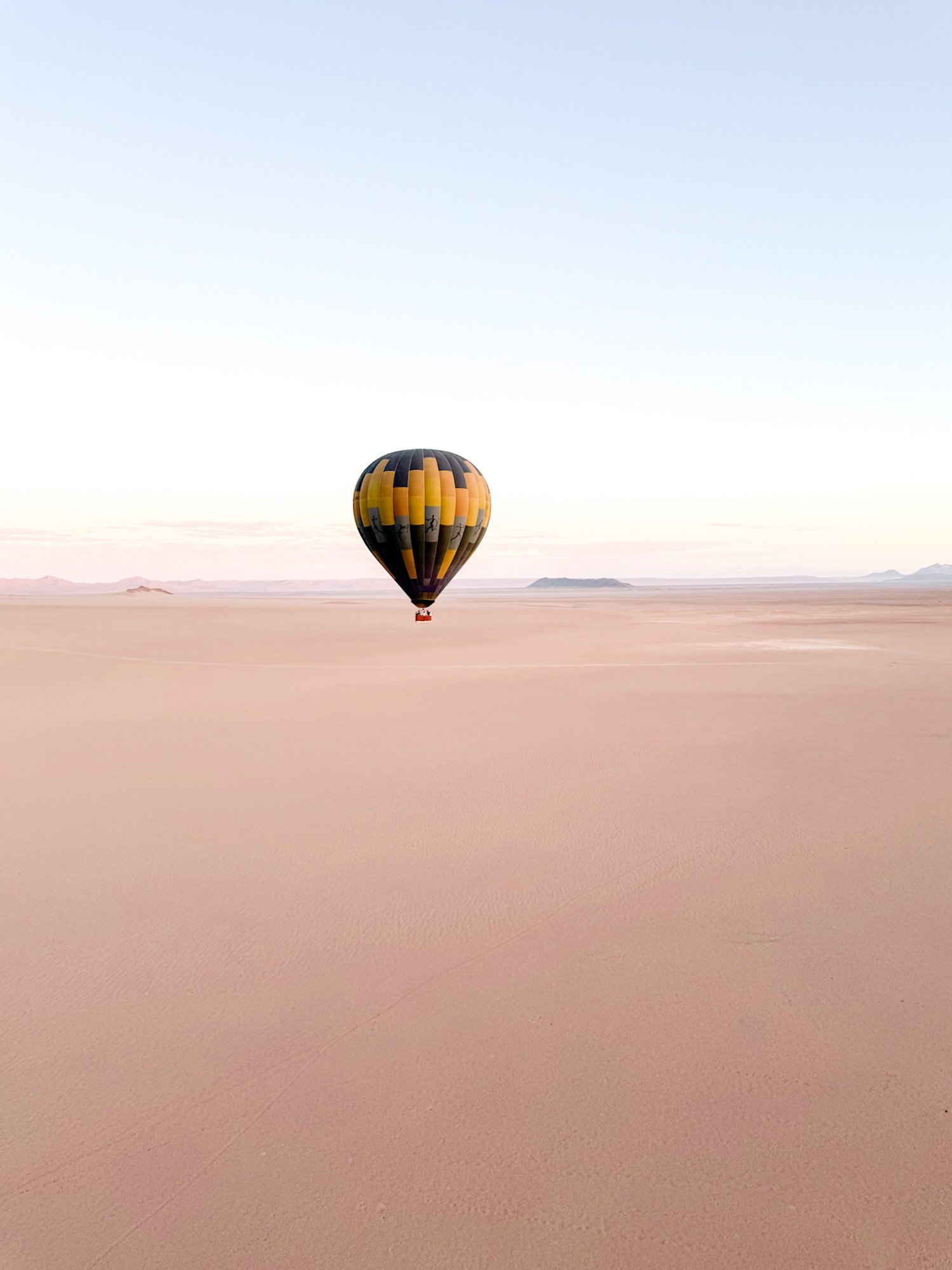
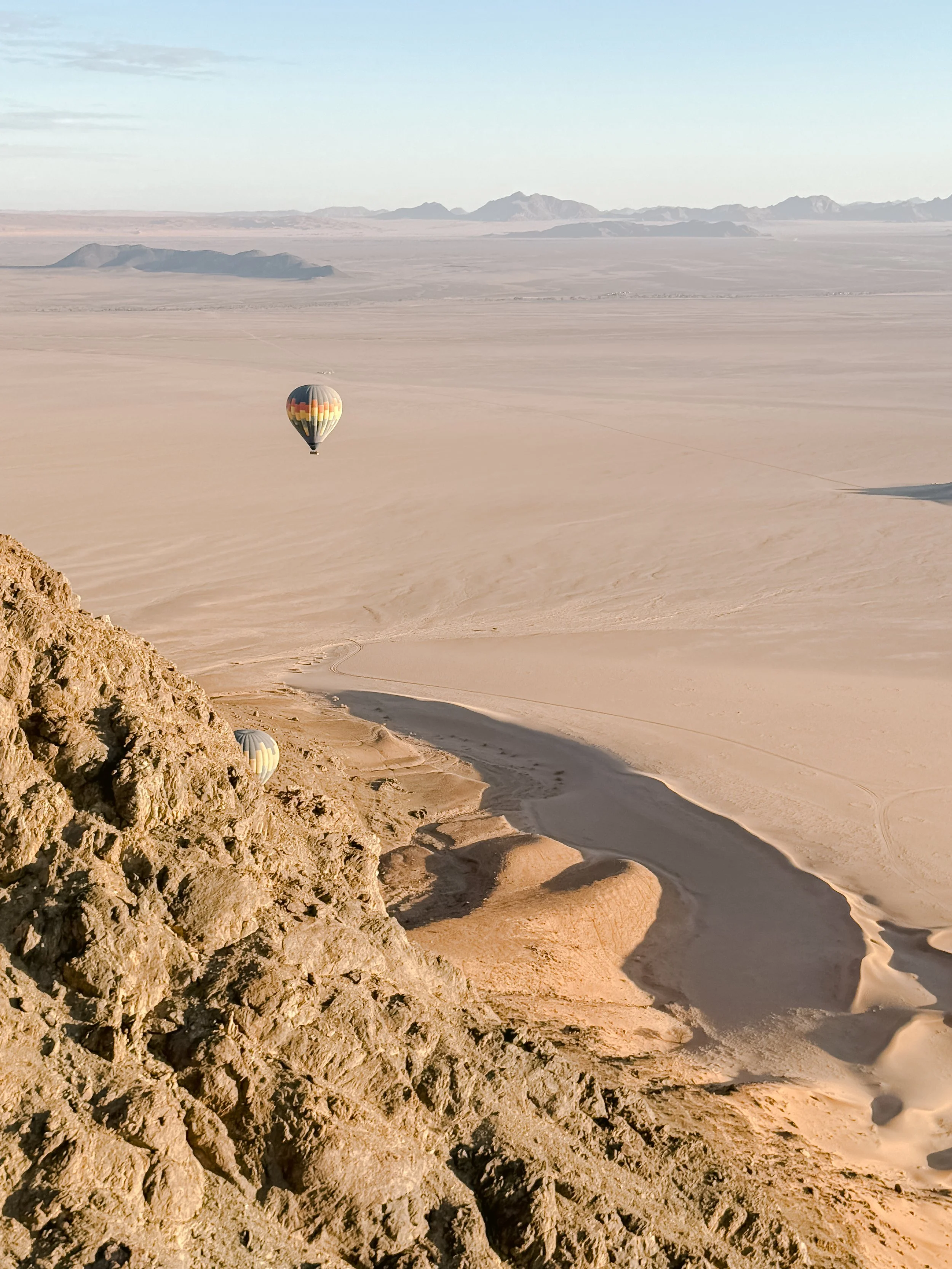
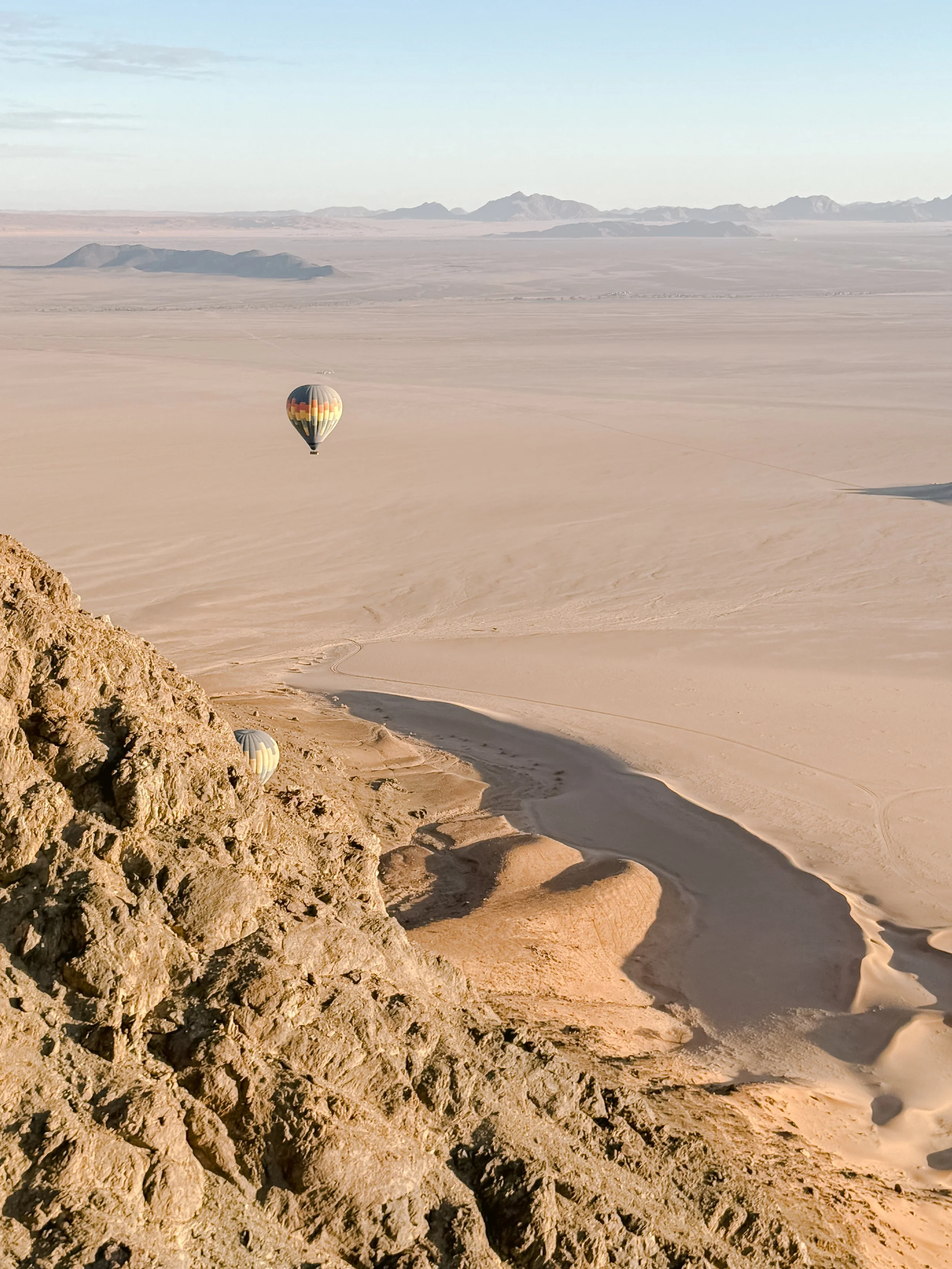
Namibia from a hot air ballon

South Africa: An Excellent First Safari

South Africa is often one of the easiest introductions to safari.

The country offers excellent wildlife viewing, beautiful luxury lodges, and relatively seamless logistics. It is also easy to combine a safari with time in Cape Town and the Cape Winelands, creating a well-rounded itinerary with wildlife, food, wine, culture, and scenery.

Private reserves adjoining Kruger National Park offer some of the country’s best safari experiences. Depending on the reserve and lodge, guests may enjoy game drives, guided walks, and opportunities to see the Big Five.

South Africa is especially well suited for first-time safari travelers, families, honeymooners, and anyone who wants to experience more than safari during one trip.

Best for: First-time safari travelers, families, food and wine lovers, travelers wanting an affordable safari, and travelers wanting a varied itinerary

Pairs well with: Cape Town, the Cape Winelands, Victoria Falls, or Mozambique


Kenya: The Classic Safari Experience

Kenya delivers many of the scenes people imagine when they think about an African safari.

The country is known for its sweeping grasslands, abundant wildlife, and iconic reserves such as the Maasai Mara. Depending on your travel dates, you may also have the opportunity to witness part of the Great Migration.

Timing matters, but it is not the only consideration. The migration moves according to seasonal rain and grazing conditions, so sightings can never be guaranteed for a particular day or location.

Kenya also offers opportunities to combine wildlife with cultural experiences and time in conservancies where guest numbers may be more limited than in busier national reserves.

Best for: First-time or returning safari travelers seeking an iconic East African experience

Pairs well with: Rwanda, Uganda, the Seychelles, or Kenya’s coast

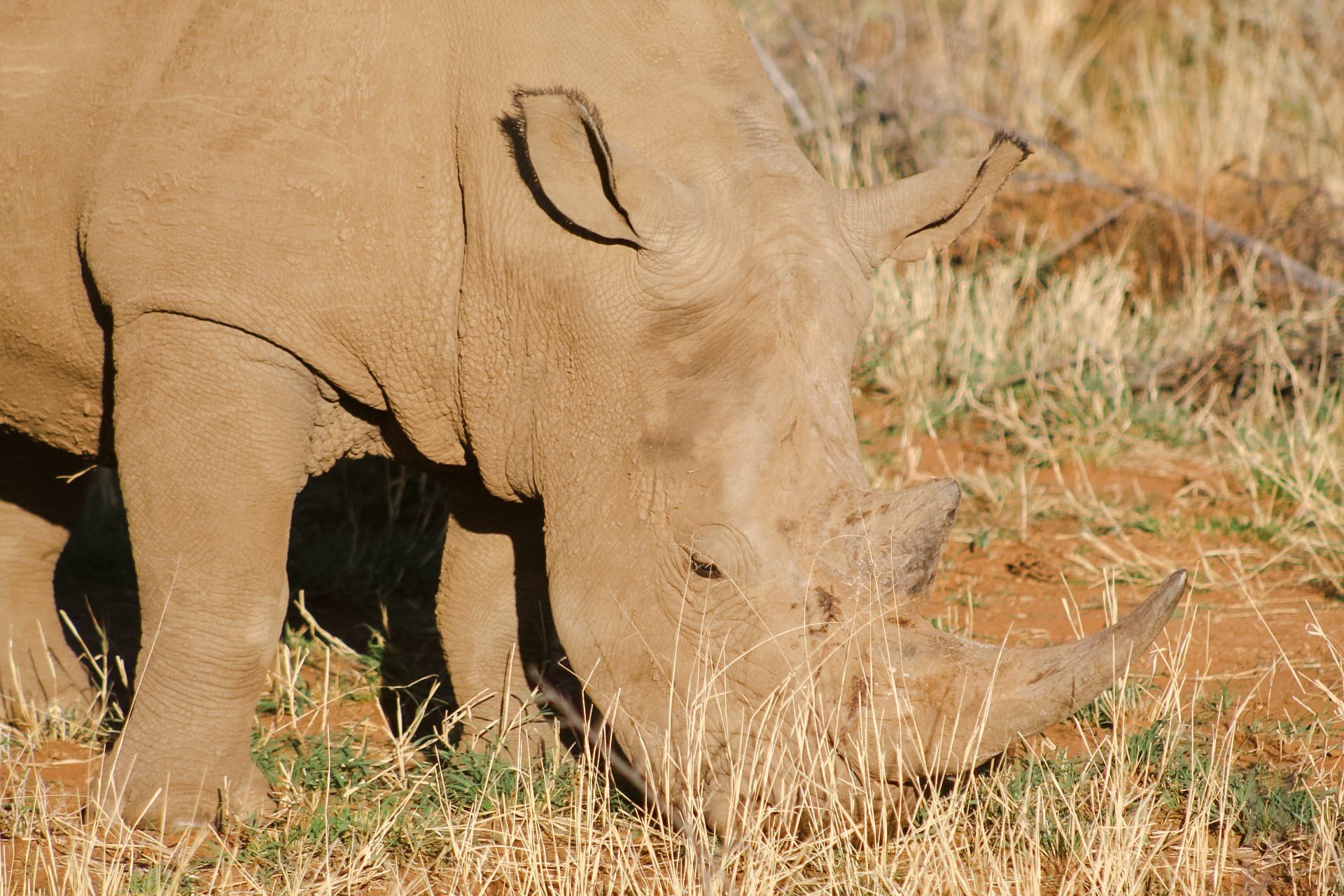
Rhino

Tanzania: Expansive Landscapes and Legendary Wildlife

Tanzania offers some of Africa’s most recognizable safari destinations, including the Serengeti and Ngorongoro Crater.

The Serengeti is vast, and the experience can vary considerably depending on the region and time of year. Thoughtful camp selection is especially important because the wildlife moves throughout the ecosystem.

Ngorongoro Crater offers a completely different landscape and a concentrated wildlife experience inside an ancient volcanic caldera. Farther south, destinations such as Ruaha and Nyerere can provide a more remote experience with fewer vehicles.

Tanzania is a strong option for travelers who want a classic safari while still having opportunities to venture beyond the most familiar routes.

Best for: Wildlife-focused travelers, photographers, and those interested in the Great Migration

Pairs well with: Mt Kilimanjaro, Zanzibar, Rwanda, Uganda, or the Seychelles


Botswana: Exclusive Camps and Water-Based Safaris

Botswana is known for intimate camps, exceptional guiding, and some of Africa’s most exclusive safari experiences.

The Okavango Delta creates a landscape unlike most traditional safari destinations. Depending on the location, season, and water levels, activities may include game drives, walking safaris, boating, and mokoro excursions in traditional dugout-style canoes.

Botswana generally emphasizes low-volume, high-value tourism. This often means fewer guests and vehicles, but it can also make the trip more expensive than comparable itineraries elsewhere in Africa.

The logistics can be more involved because many camps are reached by light aircraft. When the routing is planned well, the transfers become part of the adventure rather than an inconvenience.

Best for: Experienced safari travelers, couples, photographers, and travelers prioritizing exclusivity

Pairs well with: South Africa, Victoria Falls, Namibia, or Mozambique


Namibia: Dramatic Landscapes and a Different Kind of Safari

Namibia is one of the most visually striking places I have visited. I traveled there in 2024, and I still cannot stop thinking about it.

This is not necessarily the destination to choose if your only priority is seeing the greatest number of animals in the shortest amount of time. Namibia’s greatest appeal is the scale and beauty of its landscapes.

Towering dunes, desert-adapted wildlife, rugged coastlines, and wide-open spaces create a slower, more exploratory experience. Wildlife remains an important part of the trip, particularly in areas such as Etosha National Park and the country’s northern reserves, but the landscapes are often the real star.

Namibia is an excellent choice for travelers who have already experienced a traditional safari or who want a trip that combines wildlife with scenery, adventure, and a genuine sense of remoteness.

Best for: Repeat safari travelers, photographers, and travelers drawn to dramatic landscapes

Pairs well with: Botswana, South Africa, or Victoria Falls


Gorilla Trekking in Rwanda or Uganda

Gorilla trekking is not a traditional safari, but it can be an extraordinary addition to an East African itinerary.

The experience is active, personal, and often emotional. Travelers hike through the forest with experienced trackers to spend a limited amount of time observing a habituated gorilla family in its natural habitat.

The length and difficulty of the trek can vary. Travelers should be prepared for uneven terrain, changing weather, and potentially strenuous hiking. Permits are limited and should be secured well in advance.

Rwanda typically offers easier logistics and a more polished luxury lodge circuit. Uganda can provide a more adventurous itinerary and may appeal to travelers who want to explore more of the country.

Best for: Active travelers and anyone seeking a deeply personal wildlife encounter

Pairs well with: Kenya or Tanzania

Hot air Balloon in Namibia

When Is the Best Time to Go on Safari?

There is no single best month for every African safari destination.

The ideal timing depends on where you are going and what you hope to experience. Dry seasons often make wildlife easier to spot because animals gather near water sources and vegetation is less dense. Green seasons can bring beautiful landscapes, newborn animals, migratory birds, and fewer visitors.

Weather patterns also vary significantly between countries and even between regions within the same country. A month that is ideal for Botswana may not be the best choice for Kenya or Namibia.

Rather than choosing dates based on a general “best time for safari” list, start with your priorities:

  • Are you hoping to see the Great Migration?

  • Is gorilla trekking a priority?

  • Do you prefer fewer crowds?

  • Are you comfortable with heat or seasonal rain?

  • Is photography your primary focus?

  • Do you need to travel during school holidays?

  • Do you want to add a beach stay?

The answers will help determine the best destination, region, and season for your trip.


Why Safari Camp Selection Matters

Two travelers can visit the same country at the same time and have completely different safari experiences.

The camp’s location, surrounding ecosystem, guiding team, vehicle policies, and included activities all matter. Some camps are located inside national parks, while others sit on private concessions or conservancies with different rules and levels of access.

One camp may offer exceptional wildlife but have more vehicles at major sightings. Another may feel more private but require longer drives to reach certain areas. Some specialize in families, while others are designed for couples or adults.

The most expensive camp is not automatically the right camp. The goal is to find the one that best fits how you want to travel.

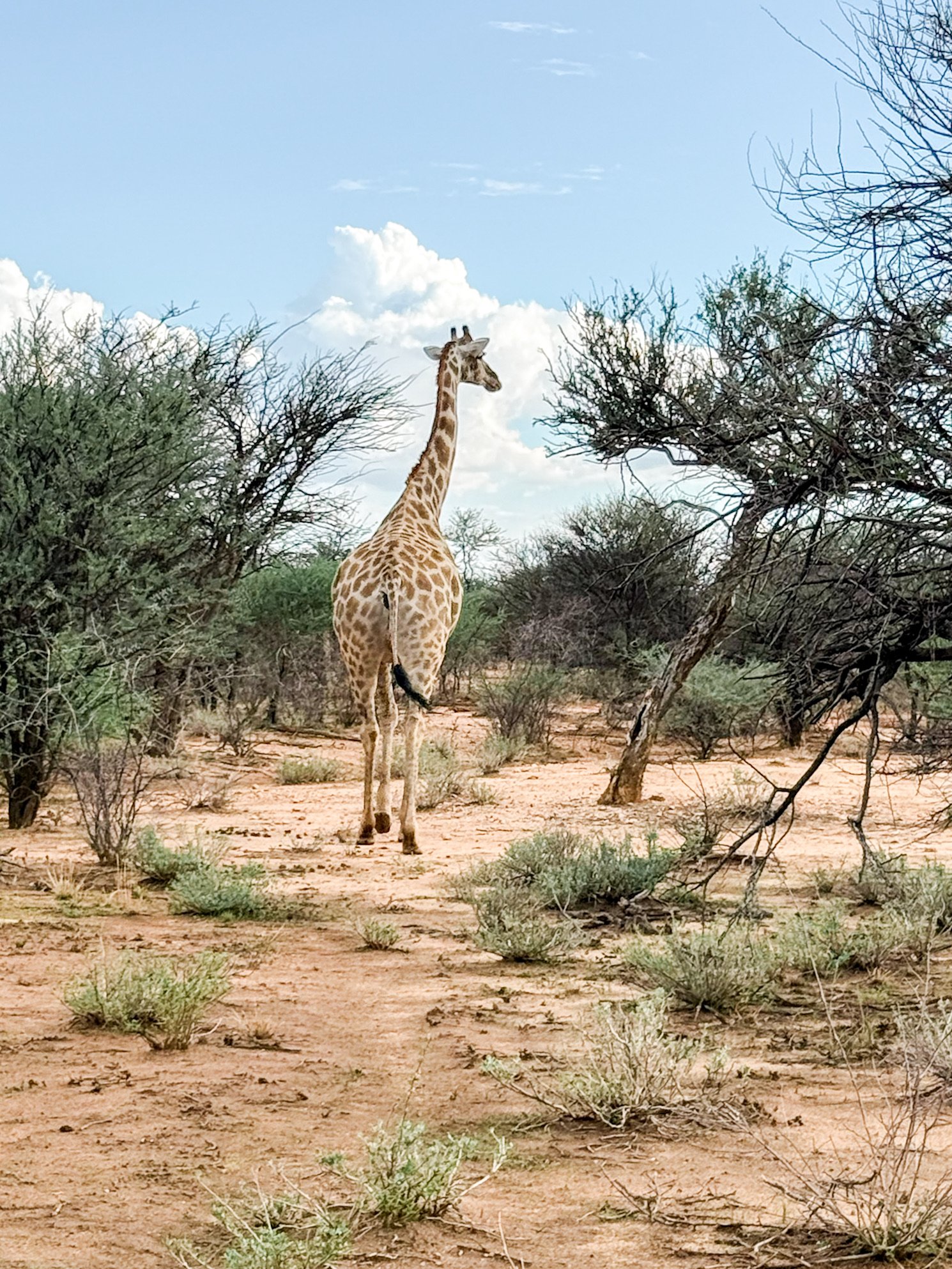
Giraffes

Safari and Beach: The Perfect Combination

Safari days often begin early and include game drives, transfers, and more movement than travelers expect. Adding a few days at the beach creates a natural transition between the adventure and the journey home.

Some of my favorite safari and beach combinations include:

  • South Africa and Mozambique

  • Kenya or Tanzania and the Seychelles

  • Kenya or Tanzania and Zanzibar

The right pairing depends on flight schedules, seasonality, and how much time you have. A combination that appears simple on a map may require several flights or an overnight stop, so the routing should be considered carefully.


Why a Safari Requires Thoughtful Planning

An African safari is not a trip I recommend piecing together one reservation at a time.

Camp availability, internal flights, luggage restrictions, transfers, park fees, permits, and seasonal wildlife patterns all need to work together. Small routing decisions can add hours of unnecessary travel or place you in the wrong part of a region for what you hope to see.

A well-designed safari should feel effortless once you arrive, even though a great deal of coordination happens behind the scenes.

The difference between a good safari and an extraordinary one often comes down to choosing the right destination, camps, guides, timing, and overall pace.


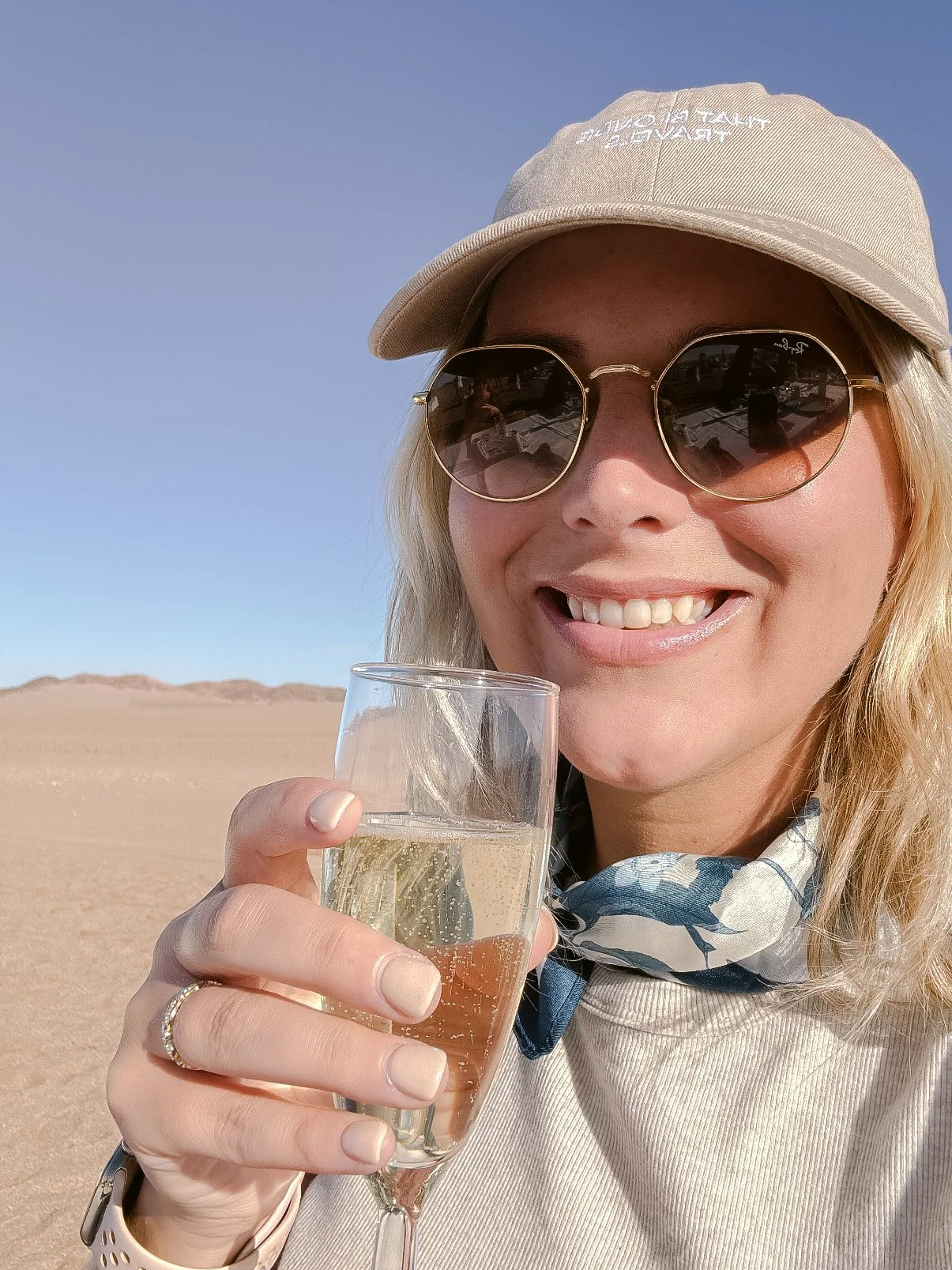
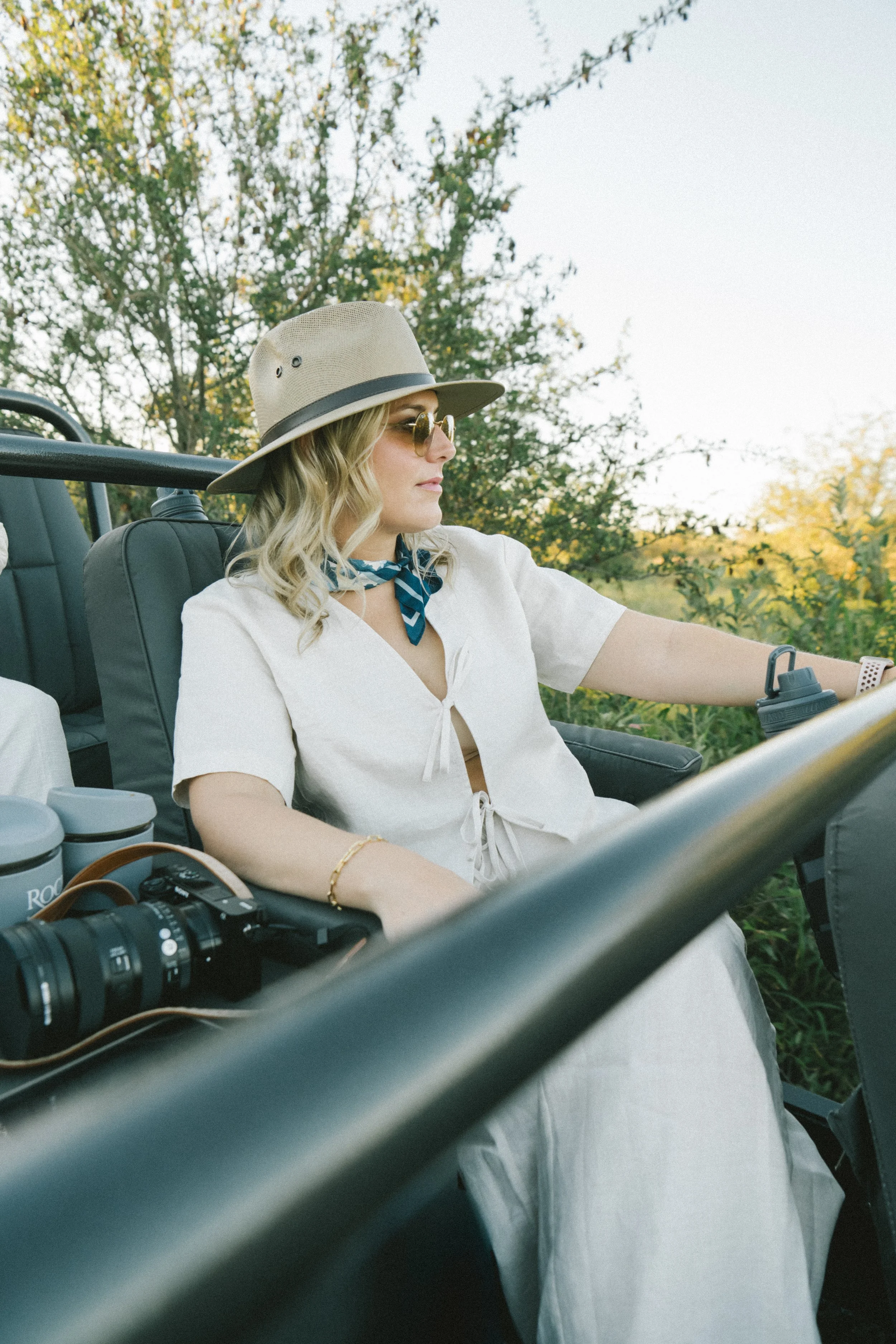
That Blonde Travels on Safari in South Africa

Ready to Plan Your African Safari?

If an African safari has been sitting on your bucket list, it may be time to start planning.

The most sought-after camps are intimate and can book well in advance, particularly during peak wildlife seasons and school holidays. Starting early gives you more options and allows the itinerary to be designed around your priorities rather than whatever remains available.

I can help you determine which safari destination fits you best, select the right camps, coordinate the logistics, and create a trip that extends beyond the expected.

Start planning your African safari

 
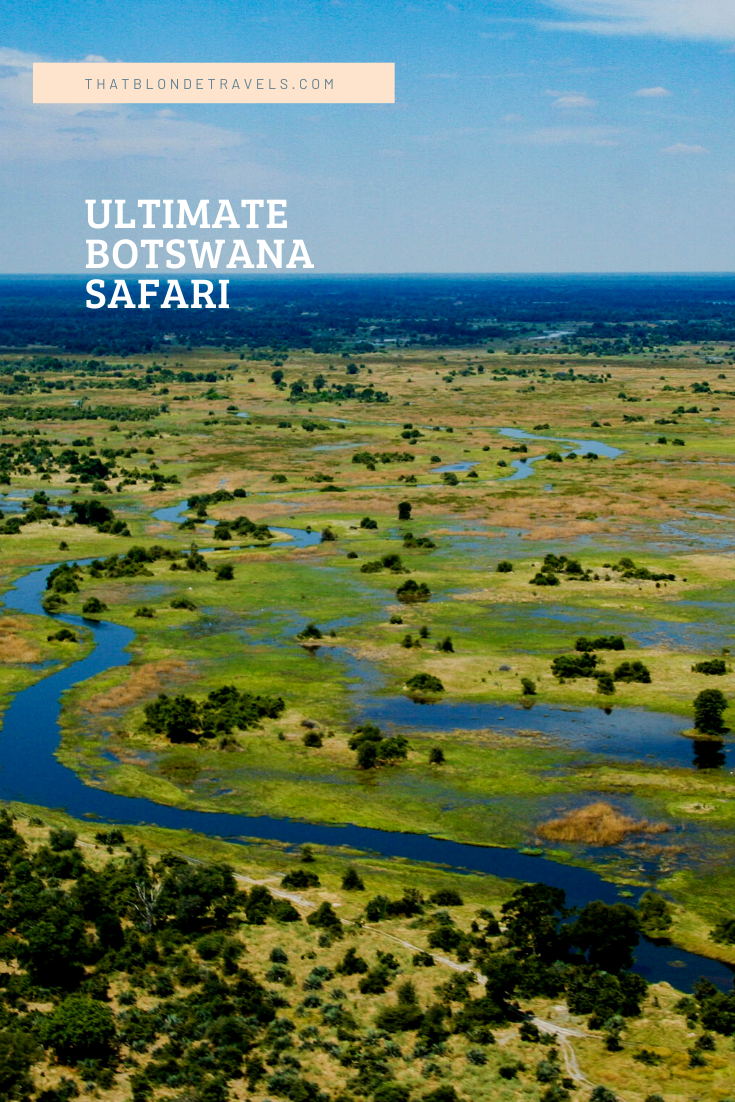
ULTIMATE BOTSWANA SAFARI
 
Botswana Safari

Disclaimer: This post contains Affiliate Links for products I’m currently using. By using these links you won’t pay any additional fees, but support me to keep this site running!


ultimate botswana safari

Written by Kelly Wilson


Planning a safari is exciting, but also overwhelming! First, I asked myself what I wanted to from the experience. Do I want to see African wild dogs or gorillas? Do I value a more solitary experience away from crowds? Luxury or budget? Answering these questions helped me narrow down where to go on safari.

Why Choose Botswana

Botswana is committed to eco-friendly tourism. It has slightly higher prices but fewer crowds compared to the Serengeti for example. It's also home to the beautiful Okavango Delta, which is a unique vast inland river delta famous for its grassy plains. Flooding seasonally, this area becomes a lush animal habitat. During the dry season, animals travel for miles in search of water as other sources begin to disappear. This increases one's chances of seeing lots of wildlife! The Okavango Delta is also a paradise for bird enthusiasts as well. Botswana is home to the world's largest concentration of elephants, in addition to, conservation land devoted to the protection of African wild dogs, cheetahs and black rhinos. The landscape is diverse and beautiful, from marsh land of the delta, to the dry saltpans of the Makgadikgadi region, to the red sand of the Kalahari desert, Botswana will surely capture your heart.

Botswana Safari
Botswana Safari

BOTSWANA ITINERARY: OKAVANGO DELTA, MOREMI GAME RESERVE, CHOBE NATIONAL PARK, VICTORIA FALLS

Recommended 11-Day Botswana Itinerary:

Botswana Safari

Okavango Delta (4 nights)

Moremi Game Reserve (2 nights)

Chobe National Park (3 nights)

Victoria Falls (1 night)

Total days: 11


My Botswana Experience

My husband, Jimmy, and I chose to go at the beginning of the dry season, at the end of June, which is winter in the southern hemisphere. Some advantages of going at this time are that the prices are slightly cheaper, as it's off season, the weather is still cool, and no rain. Due to COVID, we were the only people on the boats and in our safari jeep, as not many people were traveling yet. There were still other guests at the lodges that we ate meals with, but all of our excursions were essentially private. Not only were the animals amazing, but so was the scenery. I loved the peacefulness we experienced out on our drives just as much as seeing the animals. I would sit back, enjoy the breeze and beautiful landscape, and wait to see what nature had in store for us that day.


Okavango Delta

Location: Setari Camp (2 nights)

From the Maun airport, my husband and I took a 40-minute flight on a 12 passenger plane to an airstrip in the middle of the delta near our first lodge, Setari Camp. The views from the air were beautiful as the water created blue swirls of inlets among the green islands. We even spotted elephants and ostriches from the plane. After landing, we were met by two employees from the camp, a boat driver guide and a guide who sat next to us and knew the name of every bird we saw. To get to the lodge, we took a boat along the papyrus lined canals for 50 minutes allowing us to take in the scenery and wildlife during our journey! Upon arrival, lots of lodges offer you a tasty and much appreciated welcome drink. While sipping our welcome drinks, we spotted monkeys in the trees! It was so exciting to see so much wildlife already. That night we watched the sunset from the deck as we warmed ourselves with hot drinks around the fire before dinner. The food at all the lodges was amazing and we ate well the entire safari.

 
Okavango Delta
 

While at the Setari Camp, we did boat safaris around the delta and a guided walk around the island where the lodge was located. We saw African fishing eagles, Malachi Kingfisher, cormorants, and so many more types of birds! We saw sitatunga and red lechwe antelope, baboons, crocodiles and hippos. On an evening boat ride my husband, the second guide, and I were looking down into the water from the top level of the two-tier boat, when we spotted some bubbles floating to the surface, indicating an animal was below in the water. Suddenly, the boat lurched side-to-side knocking us off-balance almost tipping the boat! The boat driver had quick reflexes and righted the boat just in time. Hippos are very territorial and this bull did not like us in his space. He rammed our boat from the bottom! The hippo was ok. The guide, who has been working in the Okavango Delta for twenty years, said that has never happened to him before. It goes to show that you just never know what one moment to the next will bring.

Location: Mochaba Crossing (2 nights)

Next, we stayed at Mochaba Crossing on the eastern edge of Okavango Delta. Here, the land is much drier, but there are still areas of marshland and rivers. We did a game drive as well as a Mokoro Boat, traditional long wooden canoe, excursion to a large island where a local guide took us on a safari walk. We wandered over sand, past herds of zebra and antelope, into pockets of forest. At one point, while walking through the trees, I stopped to stare in awe at a huge termite mound, when I spotted movement ten feet away. I simultaneously noticed a large grey body and an ivory tusk. The next moment, the guide was silently pushing us along and away from what was an elephant hiding in the trees! Since it is not safe to surprise elephants on foot, we hastily and silently retreated to safety. It happened so quickly that my husband Jimmy didn't see the elephant or even know what was happening. It was a special experience to see the animals on foot, without the barrier of the jeep. I would definitely recommend a safari walk if possible and when it is safe to do so during your stay.


Moremi Game Reserve

Location: Sango Safari Camp (2 nights)

We drove to our next camp which may have been my favorite! Sango Safari Camp is situated on the Khwai River at the edge of the Moremi Game Reserve. Our lodgings were right on the river and looked like an old fashioned canvas safari tent, however, it was updated with an en-suite bathroom, outdoor shower, and electricity.

On the other side of the river was the game reserve. More than once, we came out of our room to see elephants across the water about 50 feet away. One evening, I saw a monitor lizard right before it rushed back into the water. At night, we could hear the grunting of the hippos! They are a pretty noisy bunch. When we first arrived at the camp, we walked to a viewing platform where we could immediately see at least 3 elephants, a hippo, and several birds. Next, we ate lunch and made friends with a family from South Africa.

 
Moremi Game Reserve
 

After lunch and a quick nap, it was time for our evening game drive. The guide said we would go to a spot where wild African dogs had been known to den with their puppy litters in years past. I held my breath as we waited for the first jeep from our camp to radio with news of the dogs’ presence! I was hoping against hope that I would be able to see African wild dogs while on safari. They are a favorite, but are endangered and rare to see. These dogs are found in much of Botswana, which is another reason I chose it for our first safari. After about 10 minutes, we finally received word the African dogs were here! We gave the first jeep time to see them, then we headed back into the pocket of the forest to finally see them for ourselves. The puppies were so adorable and the mom was patient as they all climbed and played on and over her. We must have stayed there for 30 minutes watching them. This is easy to do and the time goes very quickly!

Next, we drove around the game reserve, where our guide spotted a lion in the grass. I would never have seen the lion! They camouflage very well and this is why guides are a must on your first safari! It turned out to be not one lion, but a small pride of 7 lions. They were all sleepy as it was still pretty warm out. After watching for a bit, we drove around the reserve and saw more antelope, zebra, elephants, giraffes, warthogs, etc! As the sun was setting, we headed back to find the lion pride. The lions were starting to wake up and be playful. Slowly, by ones and twos, they started walking off toward the waterhole. We followed them, even going off road (this is allowed at this park, but not at all of them). We followed and watched them as long as we could before they disappeared into the night, past the waterhole, where we couldn't follow.

 
Botswana Safari Lion Pride
 

Day 2 at Sango camp

Early mornings are the name of the game in Africa! It's the best time to see wildlife before the heat of the day sets in. We were there in winter so the mornings were in the 40s and could be pretty chilly especially once the jeep got moving. On our morning game drive, the first thing we did was try and find the lions from the previous night. Before we could spot them, we found a zebra carcass. The lions had been on their way to hunt when we saw them the night before and we could see they had been successful. Next, we found the lions walking back to their favorite sleep spot. Their stomachs looked like basketballs because they had eaten so much! They wouldn't need to eat for another 4 to 5 days after eating an entire zebra.

That evening, we saw the African wild dogs again! We were the only jeep out there that particular day. FYI: all the parks we went to, we saw almost no one out there as it was during COVID. We stayed another 30 minutes or longer. We saw the male African dog come back to the family and regurgitate the found he hunted for them. African dogs do this so that other animals don't try and steal their food (you learn a lot while on safari as the guides are incredibly knowledgeable!). There were a few vultures who flew in and tried to steal the scraps of food the puppies were playing with, but momma dog scared them off. We saw lots more antelope and other animals during the rest of the drive.

African Wild Dogs

Chobe National Park

Chobe Elephant Camp (3 Nights)

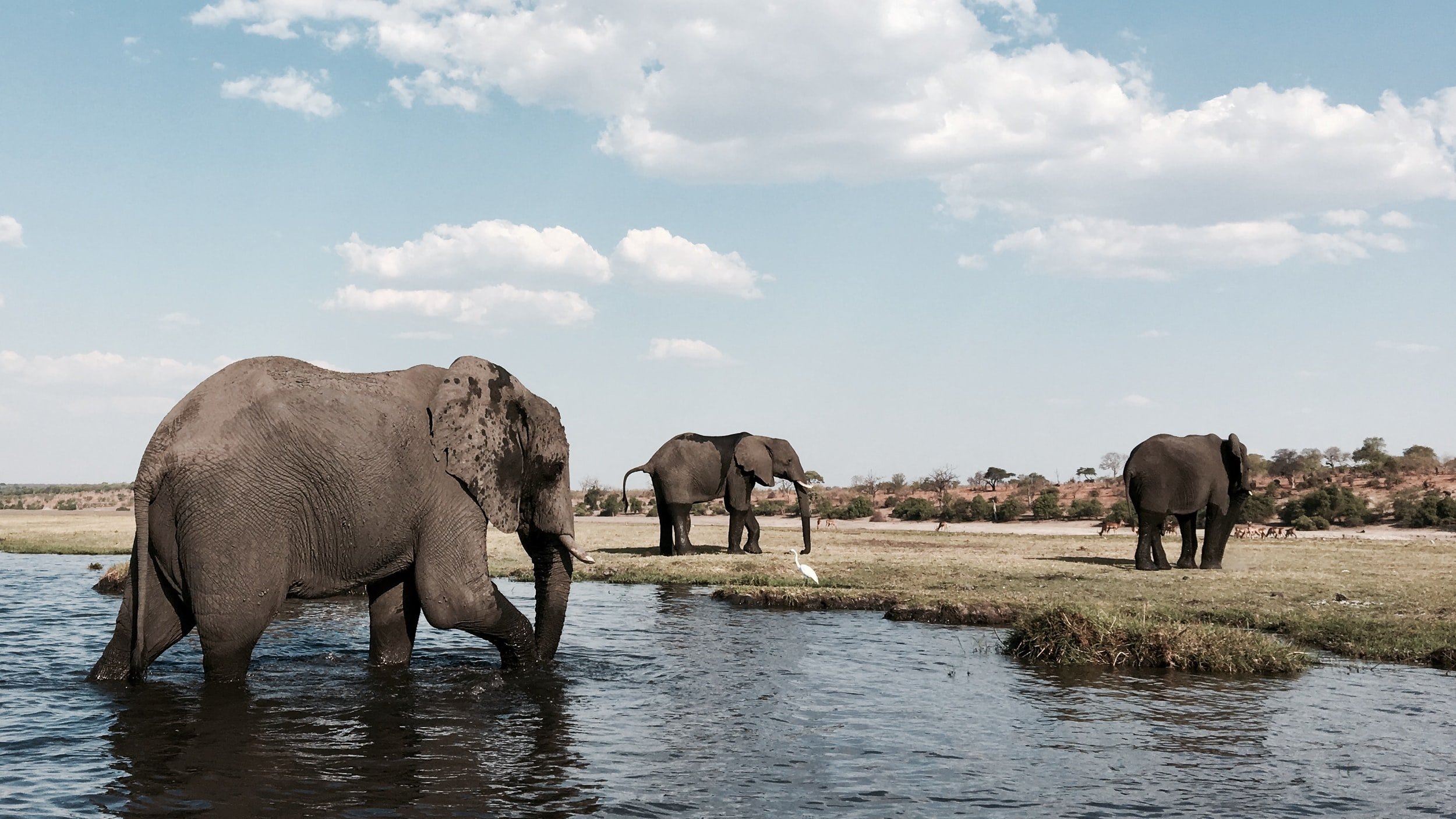
Chobe National Park is an incredible place as it has the largest concentration of elephants in the world! There are over 120,000 elephants who live in this large park. So many elephants all the time! We saw elephants crossing the river from our boat, as well as, cute babies and juveniles playing in the water along the banks. The Chobe River separates Namibia and Botswana, so during the dry season, animals from all over come for water. We saw many crocodiles along the banks and in the water, so many beautiful eagles, cape buffalo, zebras, antelope, hippos, giraffes, and lots of baboon troops. One troop of baboons can have hundreds of monkeys. They are so fun to watch! The babies are adorable and the younger baboons play all day sometimes infuriating the older baboons. That is a little scary. We saw more lions here too! A larger pride than the previous park, but we did not see the males with this pride. The males will go out on their own and patrol their territory. This pride had 3 females and about 9 cubs. The cubs are very curious about the safari jeeps and will come up to your jeep and growl at it. The females are used to safari jeeps that they just carry on like you're not even there. It was fun to watch this group, as the cubs were initially up high in a rock outcropping, hiding behind trees, watching us. Slowly, the cubs came down one-by-one out of curiosity and because the sun was setting.

Botswana safari

I was so happy because I saw so many lions, African wild dogs, giraffes, and elephants that I thought this trip would be really extra special if I saw a leopard. So, all the three days in Chobe, I looked in the low lying branches of the trees to try and spot a leopard. I was so obsessed! I even dreamed about a leopard. Our last day, we had just entered the park, early in the morning. Our guide parked the jeep in the road to tell us more about the Chobe river that was down the hill and straight ahead. He is mid-sentence when, all of a sudden, he got very excited and says, in one breath, "Look! A leopard!" We looked up to see one walking away from us in the brush. Miraculously, she turned around and started walking towards us. I was so happy, and the leopard is so beautiful, that I am close to tears (not exaggerating or trying to be overly sentimental). Leopards are so incredibly beautiful in the wild. The leopard walked right in front of our jeep on the road and looked right at us. I just stared and stared. I could not believe my eyes. Jimmy, my husband, was sweet and took photos so I could really soak in the experience. We tried to follow the leopard, but it was too far to see well. We caught a couple more glimpses of her from far away, but, eventually, lost her. We believe that she must've gone somewhere to sleep for the day.


Victoria Falls

Victoria Falls, Zimbabwe

Location: Batonka Guest Lodge (1 night)

Chobe National Park is very close to Victoria Falls, Zimbabwe, where we decided to end our trip. We only spent one day here, but, honestly, that was enough. The city was overstimulating after being in the bush for 9 days. It is worth a stop, however, as the falls are stunning and absolutely breathtaking!


Final thoughts: If you are considering going on an African Safari, just do it! You will not regret it! Honestly, you will want to go back to Africa immediately. We are already looking into traveling to Uganda in 2023. An African Safari is such a unique and invaluable experience that you will always treasure.


A few helpful tips

  1. Bring a good camera. I already had a DSLR, but I did buy a new zoom lens. I was soooo glad I did. My favorite camera at the moment is my Sony Alpha a6300 Mirrorless Camera and I love the look and bokeh of the Sigma lenses.

  2. Pack light! You are moving camps often and the weight limit in the small planes is only 20 kg. We each brought a hiking overnight backpack and a small carry on tote (hard luggage is not allowed).

  3. Some light neutral solid colors are good to bring, but you don't have to buy a new wardrobe. You're sitting in the jeep a lot so you get a little dusty. You can definitely wear some clothes twice however, and most camps have laundry service.

  4. Know what kind of safari that you want. What is your budget? What type of safari experience do you want, such as camping, luxury, or somewhere in between? We work with several outfitters that will work with you on your budget and specific requests for an amazing bucket list experience.

 
PIN FOR LATER!

PIN FOR LATER!