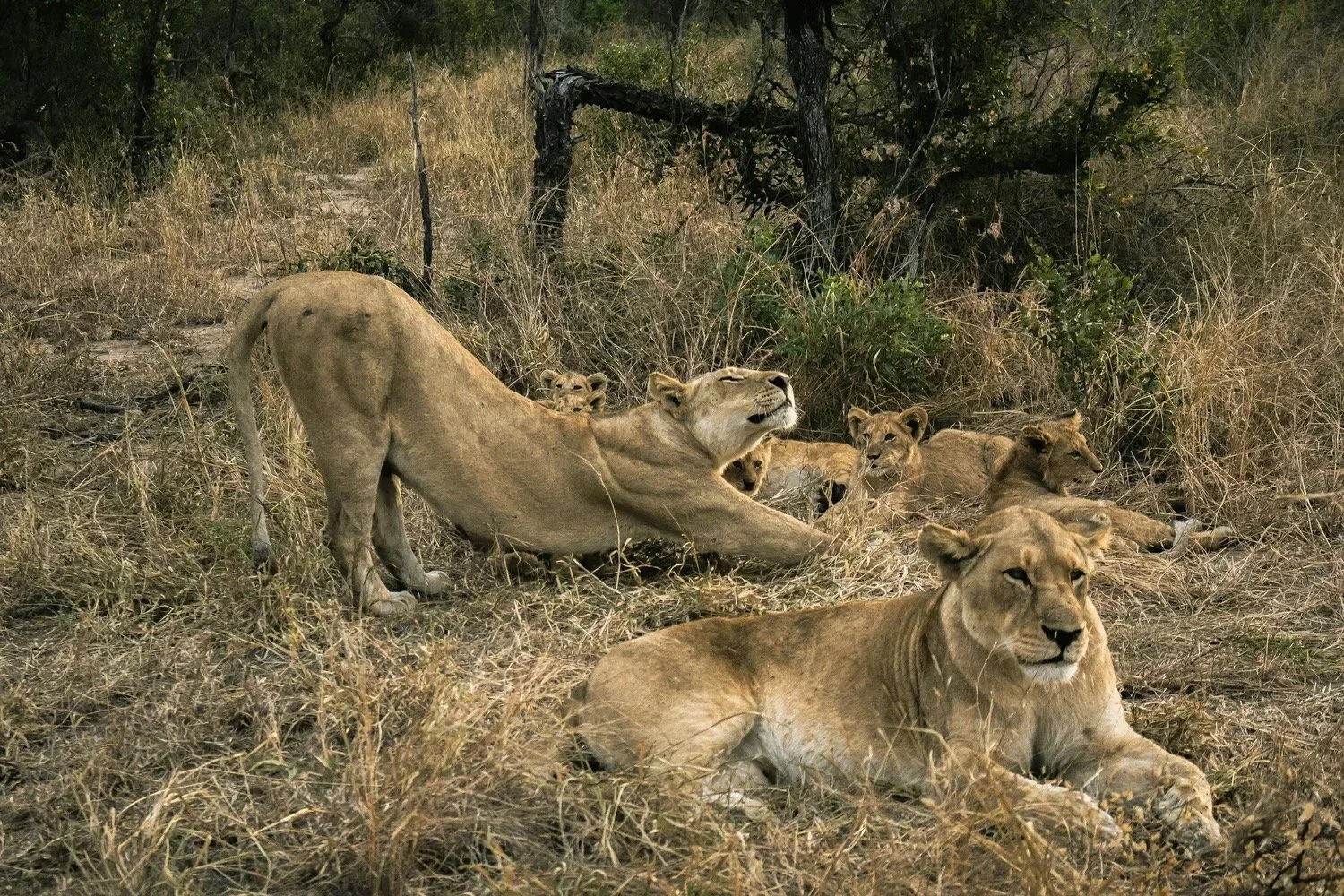
Posts tagged south africa safari
South Africa Safari Guide: Kruger, Cape Town and the Winelands

In one trip you can have incredible game drives, a few days in Cape Town and long lunches in the Winelands.

Here's what to know as you plan.

Why South Africa

  • World-class game viewing. The Big Five, and some of the best leopard sightings in Africa.
  • Safari and city in one trip. Cape Town and the Winelands are a short flight from the bush.
  • Malaria-free options. Several excellent reserves are malaria-free, which is a big help for families.
  • Easy logistics. Great flight connections, short transfers and lodges for every style.

Where to Go on Safari

  • Greater Kruger and the private reserves: the area around Kruger National Park, including the Sabi Sand, is probably the most reliable place in Africa to see leopards. Private reserves mean off-road driving, night drives and fewer vehicles at sightings.
  • Kruger National Park: one of Africa's great parks, with a huge variety of wildlife and beautiful scenery.
  • Madikwe: a malaria-free reserve in the north, and one of my favorite suggestions for families.
  • The Eastern Cape: malaria-free reserves and Addo Elephant National Park, easy to pair with the Garden Route.
  • KwaZulu-Natal: private reserves like Phinda, where you can combine the bush with the Indian Ocean coast.

Beyond the Safari

Cape Town

Table Mountain, beautiful beaches, great restaurants and the drive down the Cape Peninsula

The Winelands

Stellenbosch and Franschhoek, with wine tastings, long lunches and gorgeous mountain views

The Garden Route and Hermanus

A scenic coastal drive, plus some of the best land-based whale watching in the world in season

The Panorama Route

Waterfalls and the Blyde River Canyon, an easy add-on near Kruger

When to Go

For safari, May to September is the dry season and the best time for game viewing in Kruger. The days are sunny and the nights are chilly.

For Cape Town, October to March is the warm, dry summer. Its winter is rainier.

If you want both at their best, September, October, April and May are lovely times to go. Summer is also the green season in Kruger, with baby animals and wonderful birding.

See my full month-by-month safari guide for every country.

Malaria

Most of South Africa is malaria-free, including Cape Town and the Winelands. Kruger and the Greater Kruger area have a moderate risk, highest from about September to May. Madikwe, Pilanesberg and the Eastern Cape reserves are malaria-free. Talk to your doctor or a travel clinic before you go.

How Long to Go

Plan on 10 to 12 days for a safari and Cape Town. A typical trip is 3 to 4 nights on safari, 3 to 4 nights in Cape Town and a couple of nights in the Winelands.

Safaris start at $1,500 per person, per day, excluding international flights, depending on the time of year and location.

South Africa also pairs beautifully with Victoria Falls, Botswana or a beach in Mozambique or Mauritius.

My Biggest Advice

Do both: the bush and the Cape. South Africa's magic is how easily you can go from a morning game drive to a sunset dinner overlooking the ocean.

keep planning

Ready to start planning your safari?

Plan My Safari
How Much to Tip on an African Safari: A Simple Guide

It's a fair question. Tipping in Africa can feel a little unclear, because customs vary by country and by lodge.

So here's the same guide I send my own clients before every safari.

First, the Most Important Thing

Tipping is always your choice. It should reflect your own experience and the service you received, and it is never mandatory.

These are simply guidelines. Whatever feels comfortable to you is absolutely appropriate.

Tipping on Safari

WhoHow much
Safari guide$15–$20 per guest, per day
Tracker$10–$15 per guest, per day
Butler or personal host$10 per room, per day
General camp staff$15–$20 per guest, per day

Tipping in the City

WhoHow much
Airport assistance$5 per person
Airport transfer driver$10 per transfer
Private touring guide$20 per person for a full day, $15 for a half day
Restaurants10–15%, if service isn't already included and you're happy with it

How Tipping Works at a Safari Camp

  • Tip your guide, tracker and butler separately. These are the people you'll spend the most time with, and it's customary to thank each one directly.
  • Use the gratuity box for everyone else. Most camps have a shared box in the main lodge area for housekeeping, the kitchen and the rest of the camp team.
  • Tip once, at the end of your stay. There's no need to tip daily.
  • Check your welcome materials. Some lodges share their own suggested amounts, which can vary a little by property.
  • You don't always need cash. Many lodges let you add gratuities to your card at checkout. If that matters to you, confirm with the lodge team when you arrive.

What Currency to Bring

Most properties happily accept tips in US dollars or the local currency.

In most cases, small US bills are the easiest and most convenient option, so tuck some into your bag before you leave home.

My Biggest Advice

Don't stress over it! Your guides will be the highlight of your trip, and you'll know exactly how you want to thank them by the end.

keep planning

Ready to start planning your safari?

Plan My Safari
When to Go on Safari: A Month-by-Month Guide

The honest answer is that it depends on where you're going. Africa is huge, and the seasons are different in Botswana than they are in Kenya.

Here's how I help my clients pick the right month.

The Short Answer

For most of Africa, the dry season, roughly June to October, is the classic time to go. The grass is shorter, the trees are thinner and the animals gather around water, so they're much easier to find.

It's also high season. The best camps fill up first, so for these months I recommend booking 12 to 18 months ahead.

Best Months by Country

JanFebMarAprMayJunJulAugSepOctNovDec
Botswana
South Africa (Kruger)
Cape Town
Namibia
Zambia
Zimbabwe
Kenya
Tanzania
Rwanda (gorillas)
BestGoodMixed

Month by Month

January and February

The Great Migration's calving season in Tanzania's southern Serengeti, when thousands of wildebeest are born and the predators are never far behind. Kenya has a dry spell, and Rwanda is drier too. Cape Town is at its summer best. Much of southern Africa is hot and rainy, and some camps in Botswana close for part of the season.

March to May

The long rains in East Africa, with April usually the wettest month. This is low season, with lower rates and fewer people. By May, Botswana, South Africa and Namibia are drying out and coming into their best months.

June to October

Prime time almost everywhere. Botswana's Okavango Delta has its highest water from about July to October, which is perfect for mokoro (dugout canoe) trips. In Kenya and Tanzania the migration moves north, and the famous Mara River crossings are most likely in August and September. Rwanda's dry season makes the gorilla trails easier, and the falls at Victoria Falls are clearer to see than in the misty peak-flow months. Nights and early mornings can be cold, so bring layers.

November and December

The start of green season in southern Africa. The landscape turns green, baby animals arrive and the birding is wonderful. Kenya and Tanzania have their short rains, which usually come and go. It's also a great time to combine safari with Cape Town or a beach.

Don't Rule Out Green Season

  • Lower rates at many lodges and camps
  • Fewer vehicles at sightings
  • Newborn animals and dramatic predator action
  • The best birding of the year, with migrant birds arriving
  • Lush, green scenery and beautiful skies for photos

The trade-offs: it's hotter, afternoon storms are common, and some remote camps close. It works best when you choose the right country and camp for the month, which is exactly what I help with.

My Biggest Advice

Pick your month and your country together. A safari in Botswana in August and one in Kenya in January can both be perfect, but the same month can be very different from one country to the next.

keep planning

Ready to start planning your safari?

Plan My Safari
What to Pack for an African Safari: My Packing List

You don't need a whole new wardrobe or anything fancy. In fact, you'll probably pack less than you would for a week at the beach.

Here's the same packing list I send my own clients before they leave.

What to Wear on Safari

Pack comfortable, casual clothing in muted, neutral colors. Think khaki, olive, beige, cream, grey and other earth tones.

Skip bright colors, and leave the camouflage print at home.

Whatever the time of year, early mornings and evenings can be chilly, especially on an open safari vehicle. Layers are always your friend.

KhakiOliveBeigeCreamGrey

Why You'll Pack Lighter Than You Think

Most lodges and hotels offer laundry service, and it's often included. That makes it easy to rotate the same few outfits through your whole trip.

This matters more than you'd expect. If your trip includes small bush planes between camps, luggage allowances are strict, and soft-sided bags are usually required. Your exact allowance will be in your trip documents before you go.

My Safari Packing List

Clothing

  • 2 breathable long-sleeved shirts, for sun and insect protection
  • 2 t-shirts for relaxing at the lodge, city touring or casual days
  • 2 pairs of shorts or lightweight pants
  • 2 pairs of safari trousers or casual pants for game drives and walks (shorts are perfectly fine too)
  • 2 pairs of jeans or casual trousers for evenings at the lodge
  • 1 warm jacket or fleece for early morning and evening game drives
  • 1 lightweight rain jacket with a hood
  • Sleepwear and undergarments

Shoes

  • 1 pair of comfortable walking shoes or sneakers
  • 1 pair of flip-flops or sandals for downtime at the lodge or pool

Accessories and Essentials

  • A small backpack or day bag, water-resistant if possible
  • Swimwear
  • Sunglasses
  • A broad-brimmed hat or cap
  • Sunscreen
  • Moisturizer and lip balm
  • Eye drops or nasal spray, if you use them
  • Strong insect repellent (most lodges provide it)
  • A neck gaiter or buff for cool mornings and dusty roads

Safari Gear

  • Binoculars (compact and lightweight are best)
  • Camera equipment and chargers
  • A portable power bank

A Few Final Notes

  • No formal clothes needed. Safari camps are very relaxed, even at dinner.
  • Layers are the most important part of packing, especially for morning game drives.
  • Repeating outfits is normal. Laundry is usually quick and easy.
  • Pack a soft-sided bag if your trip includes bush flights.

keep planning

Ready to start planning your safari?

Plan My Safari